



The political landscape in the United Kingdom and beyond has undergone tumultuous changes over the past couple of years, with 2025 proving to be particularly chaotic. Analyzing the key events of that year allows us to glean insights into what might transpire in 2026. The political analysts and insiders reflect on a sequence of surprising occurrences that shifted political dynamics, particularly in the UK, while contemplating the potential ramifications of these events.
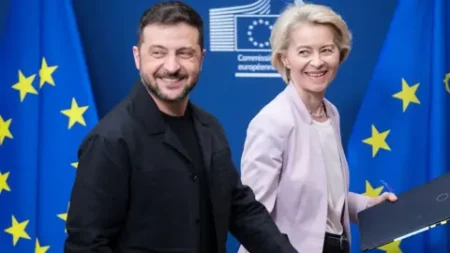
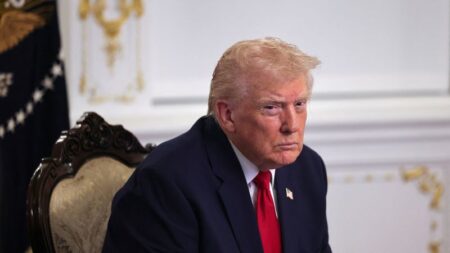
In 2025, the contours of politics shifted dramatically in ways that seemed improbable only a year prior. One standout incident was the highly publicized confrontation between US President Donald Trump and Ukrainian President Volodymyr Zelensky, which some MPs labeled as the “maddest moment.” The unexpected behavior of major political figures prominently shaped public perception and political discussions, providing fertile ground for shifting allegiances and unexpected commentary among political analysts and party insiders alike.
Among the more surreal instances domestically, a Labour cabinet minister being applauded in a fashion reminiscent of a Trump rally took many observers by surprise. The Liverpool conference of the Labour Party featured chants of “build, baby, build” while attendees sported red MAGA-style hats, a visual that would have felt outlandish just twelve months earlier. Meanwhile, Chancellor Rachel Reeves shed tears during a parliamentary session, a moment that not only elicited sympathy but seemingly influenced market behavior, leading to questions regarding the emotional entanglement of politicians in public life.
However, events fell short of the unpredictability of those of 2025, as narrative twists emerged, such as the accidental early release of budgetary details by the Office for Budget Responsibility. This transparency put the government in a compromising position, spiraling the attention toward the Labour Party’s newly emerging leftist faction under Jeremy Corbyn’s legacy, albeit fraught with internal disputes. Reports emerged from No. 10 proclaiming that Prime Minister Sir Keir Starmer could easily dismiss any potential challengers, a move interpreted by insiders as an admission of vulnerability that opened the door to political upheaval.
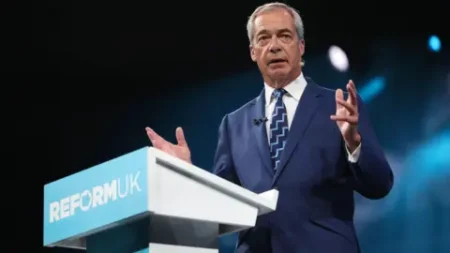
Perhaps the most defining change within British politics during 2025 was the rise of Reform UK, a party led by Nigel Farage. Many political insiders deemed Reform’s ascent as the “death of the Tories,” with its recent electoral success granting it significant power over local governance. This shift reflects how established political norms have been disrupted, with Labour seemingly recalibrating its stance to identify Reform as its primary competitor rather than the Conservative Party. Indeed, Labour’s opposition and public rhetoric increasingly acknowledged the threats posed by Reform, escalating tensions in political discourse.
Other noteworthy occurrences that triggered reactions from political figures included a failed government initiative regarding welfare reform, which demonstrated the eroding authority of Starmer. The discontent among Labour backbenchers ultimately pressured the government to retract potentially significant reforms, portraying a fractured political landscape. Observers noted that the fallout of such decisions had wide-ranging consequences, including the delay of financial initiatives that could have substantially impacted public spending.
On the front of international relations, 2025 saw not only a transition back to the status quo that Trump’s presidency represented but also witnessed profound geopolitical moves—including attempts to reshape European defense spending dynamics. Starmer’s handling of his meeting with Trump in the Oval Office presented a significant diplomatic moment, with many weighing its implications carefully.
Looking ahead into 2026, political predictions are hazy, yet the anticipation surrounding major elections, especially set for “mega-May,” looms large. The prominence of smaller parties, such as the Green Party, suggests a potential consolidation of political ideologies and strategies, even as observers remain skeptical about the immediate future of major parties. Amidst economic fluctuations, with fluctuating inflation rates possibly signaling shifts in financial policy, the political implications of government initiatives are multifaceted and await further elucidation.
As the era of political upheaval continues, many speculate on whether Sir Keir Starmer will retain his position against a backdrop of criticism and unease regarding his popularity. The uncertainty about his leadership, particularly following the anticipated elections, poses questions about Labour’s governance effectiveness and the emerging roles of alternative parties. Thus, 2026 appears set to be another remarkable year in politics, with countless potential warps depending on both domestic progression and external geopolitical currents impacting the UK’s political fabric.