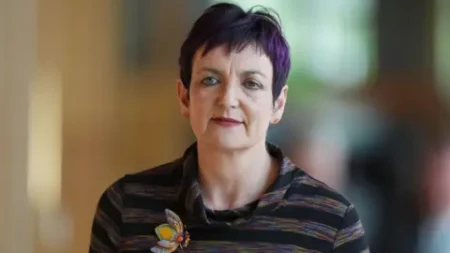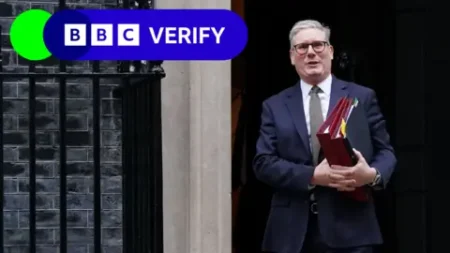




The recent developments surrounding Sue Gray, once a pivotal figure in the UK’s political landscape, have stirred considerable interest and speculation. Just five weeks after she resigned from her position as chief of staff to Prime Minister Sir Keir Starmer, Gray finds herself making headlines again. The circumstances of her departure have not only raised eyebrows but have also incited varying narratives from involved parties.
According to reports, Prime Minister Starmer had retracted Gray’s offer to assume the role of envoy to the nations and regions. This decision was purportedly communicated to Gray by the cabinet secretary, the highest-ranking civil servant in the British government. Interestingly, this aspect of the story appears to be corroborated by other government officials, indicating a consensus on the matter. Conversely, Gray maintains that the choice to step back was entirely hers and emphasizes that she had not communicated directly with the Prime Minister regarding this decision. A close associate of hers has stated that after significant deliberation, Gray opted not to pursue the role but instead focus on other endeavors, illustrating her desire to move forward.
The situation has become more complicated given the backdrop of Gray’s previous circumstances at Downing Street. When she departed her chief of staff position, she was demoted to a new, part-time job—a decision that was met with skepticism regarding her commitment. Reports suggest that after nearly six weeks since the announcement of her appointment to the nations and regions role, Gray’s lack of initiative led to mounting tensions, with the Prime Minister seemingly frustrated by her inertia.
Amidst the growing uncertainty surrounding Gray’s interests and motivations, it has become evident that both parties may have been having second thoughts about her new position. The communication surrounding her departure has been muddled, with both Gray’s camp and the Prime Minister’s office providing inconsistent statements to the media. This lack of clarity underscores deeper issues within Downing Street, such as lingering mistrust and discontent stemming from past conflicts.
Compounded by her absence from a crucial meeting shortly after being offered the ambassador role in Edinburgh, questions surrounding Gray’s commitment were further amplified. Observers noted that her initial lack of attendance indicated a disinterest in the position, leading to inquiries from journalists about whether she had truly accepted the role. After weeks of ambiguity, it became clear that she had rejected it—leading to additional speculation about the decision-making process on both sides.
Political commentators and insiders began to express doubts about the envoy position, labeling it a “non-job.” The announcement that the government does not plan to replace her role only strengthened these claims. Scottish National Party MP Pete Wishart humorously condemned the news, implying that Gray’s absence would fall short of expectations—adding further layers to the narrative surrounding her exit.
Looking ahead, questions linger about the future trajectory of Sue Gray’s career. Speculation is rife about potential offers she may receive, including a possible seat in the House of Lords, though this could potentially rekindle previous tensions. Beyond the drama associated with Gray, it is important to acknowledge the evolution currently taking place within Downing Street itself. Recently, key figures from the Blair administration, such as Jonathan Powell and Liz Lloyd, have been reinstated in their respective roles.
This restructuring may reflect a broader strategy by Prime Minister Starmer, who seems to be recalibrating how his leadership manages governmental duties. Feedback indicates a move toward a more centralized and cohesive leadership style. Such changes might signify a turning point for the Prime Minister as he navigates the complexities of governance and attempts to learn from preceding setbacks exemplified by Gray’s tumultuous departure.
Ultimately, the saga surrounding Sue Gray poses significant questions about the nature of political dynamics within the UK government and the ongoing narrative of leadership under Sir Keir Starmer. While her departure might seem like a conclusive end, it undoubtedly propels discussions on accountability, governance, and the inherent complexities of political careers.