



In a move that is expected to impact households across England, council tax bills are poised to climb by as much as 5% beginning in April 2024. This increase arises after the UK government confirmed its decision to maintain the existing cap on council tax hikes. Communities Minister Matthew Pennycook defended the decision in the House of Commons, asserting that maintaining this threshold was essential in light of the mounting pressures that local councils are presently experiencing.
The implications of this decision are significant for the average household, which can anticipate an increase of over £100 in their annual council tax bill. The government projects that this adjustment in tax rates will yield an additional £1.8 billion for council funding in the financial year 2025/26. However, this announcement did not sit well with all stakeholders; the Conservative Party accused the Labour-led government of creating a “black hole” in council finance that has resulted in the increased tax burden on citizens.
Under the stipulated regulations, councils that provide social care services are allowed to levy council tax increases of up to 5%, whereas other councils can only increase rates by up to 3%. Should councils wish to surpass these limits, they must seek approval from the government or potentially hold a referendum, which poses additional challenges. Current statistics indicate that the average band D council tax—set by local authorities in England for the fiscal year 2024-25—amounts to £2,171, marking an increase of 5.1% or £106 from the previous year.
During a session on Thursday in the House of Commons, Minister Pennycook reiterated the government’s commitment to assist the most vulnerable members of society. He highlighted the 25% discount on council tax available to individuals living alone and pointed out various support schemes aimed at alleviating tax burdens. More than eight million households in England currently benefit from these measures, allowing them to avoid paying the full council tax bill.
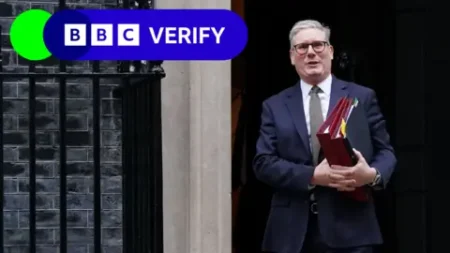
The cap on council tax increases, which has been a point of contention in political debate, was also addressed by the Prime Minister’s press secretary, reaffirming that the 5% cap established by the preceding government remains intact. This declaration came after Conservative leader Kemi Badenoch pressed opposition leader Sir Keir Starmer regarding the cap in a Parliamentary query, a question that the Prime Minister notably sidestepped.
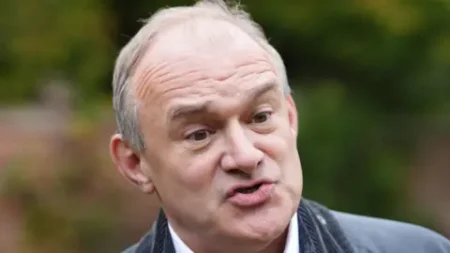
The discussions about council tax and local government financing were further amplified when Liberal Democrat MP Lee Dillon voiced concerns that rising council tax rates would result in diminishing local services. He enumerated the financial strains faced by councils, such as inflation, wage increases, and greater demand for essential services, pressing the government to avoid service cuts tied to public funding challenges. In his response, Pennycook acknowledged these pressures and underscored the government’s intent to transform the current fiscal landscape. He specifically referenced the extra £4 billion allocated to councils in the previous month’s Budget as a positive step toward mitigating these constraints.
However, the Local Government Association expressed that despite the additional funding, councils still grapple with considerable challenges, particularly in the areas of social care for adults and children, as well as homelessness services. In legislative discussions, Conservative shadow communities minister David Simmonds asserted that a staggering £2.4 billion shortfall exists within councils’ budgets, driven in part by the limitations imposed by the 5% cap on council tax hikes. He pointed out discrepancies in the government’s financial estimates, arguing that these discrepancies hinder councils’ abilities to generate necessary local revenue and exacerbated existing budgetary challenges.
Despite the competing narratives and political positions surrounding this issue, it is clear that the rise in council tax will have tangible effects on families and the operation of local services. As councils navigate these financial pressures, debates about fiscal responsibility, public service provision, and government support will likely continue to intensify. These discussions will be crucial in shaping the future landscape of urban management and the delivery of services that communities rely on.