


The cancellation of the WASD expo, a prominent showcase for the UK gaming industry, has sent shockwaves through the gaming community. This decision reflects the broader challenges faced within the sector, characterized by a significant wave of job losses and the shuttering of various studios. Traditionally held in London every April, the WASD expo served as a vital platform to highlight the achievements and creativity of British game developers, particularly those from smaller, independent backgrounds.
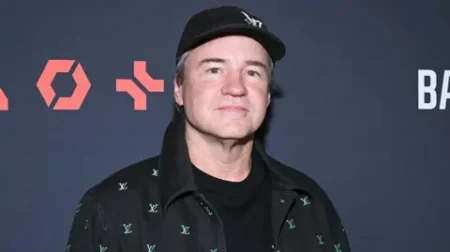
The news surrounding the expo’s demise came to light after its organizing body entered liquidation. Co-founder David Lilley expressed the situation’s dire nature in statements to the BBC, citing “increasing costs and less demand for stand space,” which ultimately rendered the running of such events unfeasible. This news was not entirely unexpected, as speculation had grown regarding the event’s viability, especially when the WASD website became unreachable months after 2024’s expo.
The response to the cancellation has been one of deep disappointment within the community. Many, including James Lightfoot from Lightfoot Bros Games, who was slated to showcase his title “Sleepytime Village” at the expo, expressed sorrow upon hearing the development. Dave Gilbert, founder of the American indie studio Wadjet Eye Games, echoed similar sentiments and hailed the expo as an “amazing showcase” that celebrated the richness of the UK gaming scene.
Originally launched in 2021, WASD emerged as a response to the discontinuation of EGX Rezzed, an extension of the London-based gaming festival EGX focusing on smaller, alternative video games and their craftsmen. Typically synchronized with the London Games Festival in April, WASD brought vibrancy to the gaming culture, featuring talks from industry veterans and gameplay demos of anticipated indie projects alongside prominent titles such as “Street Fighter 6” and “Vampire Survivors.” David Lilley, recognizing the expo’s significance for the “indie and creator community,” took a moment to appreciate the support the event had received throughout its brief existence.
As the cancellation of WASD highlights the developing crisis facing physical gaming events in the UK, the wider gaming landscape mirrors similar struggles. For instance, in September, the Insomnia Gaming Festival, previously renowned as the country’s largest gaming expo, was set to occur in Birmingham, but ticket sales were never initiated following substantial layoffs at the organizing firm, Player1 Events. While London’s EGX did proceed in October, it operated as a joint event with MCM Comic Con rather than as a standalone entity, further complicating the landscape of gaming expos.
Furthermore, the last two years have seen significant layoffs at major companies like Microsoft and Sony, despite a backdrop of record growth during the COVID-19 era. Rachel Watts, a games journalist and co-host of the Indieventure Podcast, pointed out that the termination of WASD also signals a crucial shift among larger corporations that are increasingly opting to hold their game announcements online. “With bigger companies managing their own digital events, their interest and necessity to partake in physical exhibitions diminishes,” she stated, urging that for independent developers, forums like WASD hold immense value in showcasing their games and fostering community connections.
The cancellation of the WASD expo is emblematic of a tumultuous period for the gaming industry, signaling a possible transformation in how creators engage with audiences and institutions moving forward. As the industry evolves, the loss of this beloved event highlights the essential role of such expos in nurturing independent developers and promoting innovation in gaming.