



The ongoing COP29 climate summit in Azerbaijan has drawn significant scrutiny from human rights organizations due to accusations that the Azerbaijani government is using the event as a platform to suppress political dissent and target environmental activists. This situation marks a disheartening trend as it continues a pattern seen at previous COP summits, where host countries have faced similar allegations of human rights abuses and limiting freedoms.
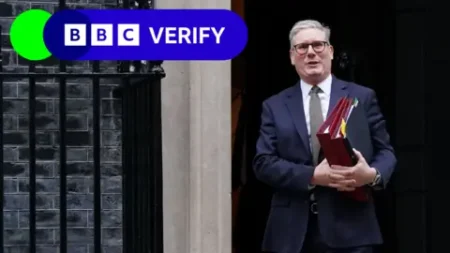
Human Rights Watch and other civil society organizations have highlighted that Azerbaijan’s approach to dissent has escalated in the time leading up to COP29. They claim that there has been an alarming increase in political prisoners, with the number exceeding 300 for the first time in over two decades. This includes journalists, activists, and political opponents, all of whom face severe repercussions for expressing dissent against governmental policies. Gubad Ibadoglu, a prominent London School of Economics professor, has been under house arrest for nearly 18 months on dubious fraud charges, which many believe are politically motivated. His daughter has reached out to UK Prime Minister Sir Keir Starmer, urging him to intervene for her father’s release.
The Climate Action Network, a coalition composed of nearly 2,000 climate advocacy groups, has emphasized the necessity of safeguarding civil society if global progress on climate change is to be achieved. They argue that the ability to protest and dissent is foundational to holding governments accountable for their climate commitments. Conversely, the Azerbaijani government has dismissed allegations of oppression, asserting that it holds no political prisoners, thereby fueling international skepticism about the nation’s treatment of dissenters.
Natalia Nozadze, an Amnesty International representative, noted that dissent has become increasingly difficult in Azerbaijan since the announcement of its COP29 hosting in November of the previous year. She asserts that the government has sharply cracked down on perceived criticism, contributing to a hostile environment for activists and others who challenge official narratives. Activists like Anar Mammadli, who was arrested shortly after advocating for compliance with the Paris Agreement, highlight the dangers that environmentalists face in Azerbaijan.
At the summit, President Ilham Aliyev’s assertions that oil and gas are a “gift of God” further underscore the country’s ongoing commitment to fossil fuels, despite global pledges to reduce reliance on these energy sources. This poses a stark contradiction to the objectives of the COP conferences, which center around discussions for climate action and sustainability. Environmental activists argue that Azerbaijan, which heavily relies on oil and gas for government revenue, is resistant to the necessary transformation towards clean energy.
The conference backdrop of repression has prompted voices of concern from various quarters, including Emin Huseynov, an environmental journalist, who criticized Azerbaijan and other countries with known human rights violations for being chosen as hosts for such significant global events. He contends that their involvement is an opportunity for these nations to “greenwash” their reputations while continuing harmful practices.
While criticisms have been levied against Azerbaijan, previous hosts like Egypt and the United Arab Emirates have also faced scrutiny regarding their treatment of civil society during their respective summits. The ongoing situation raises questions about the United Nations’ decision-making process for selecting host countries and what measures can be implemented to ensure that nations promoting human rights and democratic values can hold such summits in the future.
Despite these challenges, the UN Framework Convention on Climate Change (UNFCCC) has attempted to accommodate civil society by asserting their right to protest at the COP meetings. The recent Host Country Agreement even included provisions for human rights protection – a step viewed as positive but still insufficient by many. Critics argue that while the UN encourages participation from civil society, its inability to impose strict regulations on host countries undermines the credibility of the COP process.
In conclusion, as COP29 unfolds, the crucial roles that civil society plays in climate advocacy and accountability are growing increasingly difficult under Azerbaijan’s tightening grip on dissent. The need for reform in the selection of host countries and greater global support for civil society members is more pressing than ever if meaningful progress on climate issues is to be achieved. These developments serve as a stark reminder of the intersection between environmental progress and the health of civil liberties worldwide.