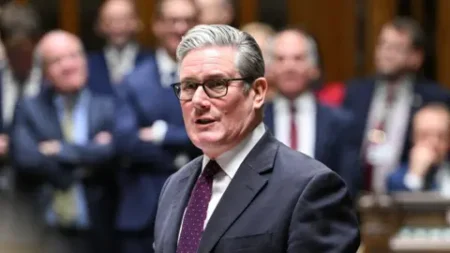




In a recent statement, British Technology Secretary Peter Kyle has revealed the complexities and challenges associated with the government’s decision to restrict winter fuel payments for pensioners. He acknowledged that this choice does not align with his principles and comes with significant moral weight as it is expected to increase the number of pensioners living in poverty, a sentiment echoed by numerous lawmakers. The government’s decision, which will limit the £300 winter fuel payment to only the lowest-income pensioners, is projected to push an estimated 50,000 additional pensioners into a state of poverty over the upcoming winter months.
Kyle expressed the emotional toll this decision took, stating it was made with a “heavy heart.” However, he defended the necessity of this difficult choice as a means to aid in repairing public finances that have been stressed under the weight of increasing economic demands. This announcement follows a stark government report, which indicates that the actions taken may not completely encapsulate the full extent of the potential increase in poverty among the elderly population. Alarmingly, the estimate does not factor in the significant number of pensioners—approximately 880,000—who are eligible for pension credits but are yet to claim them.
The winter fuel payment, a significant support introduced in 1997, is aimed at providing financial assistance to help pensioners cope with heating costs during the colder months. Initially designed as a universal payment, exempting it from means-testing, the rules are set to alter this winter, restricting eligibility to those on specific low-income benefits. As a result, nearly nine million pensioners will find themselves no longer entitled to this financial support. The change caught many lawmakers off-guard, particularly as it was not outlined in Labour’s election manifesto, which suggests a stronger emphasis on universal benefits.
Delving into the specifics, the £200 winter fuel payment is allocated to pensioners under the age of 80, whereas those aged 80 and over typically receive £300. The recent announcement by the government aims to achieve significant financial savings, projected at £1.3 billion for this fiscal year, thereby addressing what has been characterized as a “black hole” in the Treasury’s spending framework. Scottish Labour has indicated a commitment to re-establishing the universal payment framework should they win power in the Scottish elections slated for 2026.
The broader implications are concerning, with officials estimating that the policy change could result in 50,000 more pensioners entering relative poverty, defined as individuals living below 60% of the median income after housing costs are taken into account. Although original estimates suggested a 100,000 increase in poverty, this number was revised downward during official discussions. In the midst of this, both Kyle and Work and Pensions Secretary Liz Kendall pointed to unpleasant legacies left by previous government administrations as they explained the necessity of adopting such contentious measures.
While some Labour MPs express support for means-testing benefits, feeling it is reasonable for wealthier pensioners to forfeit what they might not need, others within the party see the need for a more robust justification for the changes being made. They argue that the party should actively defend and clarify the rationale behind the policy decisions to the public, rather than merely reflecting on them. This perspective was reinforced by former Labour Minister Jim Murphy, who indicated that the party needs to engage in a more proactive political discourse about these changes and their implications, especially concerning generational inequality, which disproportionately affects the youth.
In conclusion, the shift towards restricting winter fuel payments illuminates significant tensions in social welfare policy and its effects on vulnerable populations. As the Labour regime grapples with the challenges of governing in a financially strained environment, the outcomes of such decisions will significantly inform the political landscape and the government’s relationship with its constituents moving forward.