



In recent developments concerning asylum seeker accommodations, Coventry has become a focal point of controversy following the government’s decision to utilize a local hotel for housing asylum seekers. Richard Brown, who serves as the cabinet member for finance within the Coventry City Council, expressed his disquiet over this decision, which he stated was made without any prior consultation with the council. The move has raised significant concerns regarding its implications for community safety, service accessibility, and overall security, all of which were highlighted by Brown in a personal statement shared on social media.
Brown’s comments underline the strain that local authorities face in responding to government decisions. He emphasized that Coventry has historically prided itself on being a city of peace and reconciliation, asserting its commitment to supporting genuine asylum seekers in their time of need. However, Brown pointed out that the particular hotel chosen for this purpose was previously dismissed as a viable option due to its “isolation from services,” which could hinder the proper integration and support of asylum seekers. He noted that factors like community safety and security were not addressed in the government’s decision, compelling him to declare that the council could not support this action. He reiterated his intention to raise these concerns at the ministerial level.
The situation has garnered attention not only from local council members but also from political leaders. Gary Ridley, the leader of the Coventry Conservative group, also expressed his concern over the manner in which the announcement was made, labeling the communication from the Home Office as “appalling.” Ridley stated that he felt blindsided by the decision and emphasized that the collective sentiment in the city, across party lines, was one of disappointment. He reiterated Coventry’s historic readiness to assist asylum seekers, highlighting a shared city-wide commitment to humanitarian support.
In response to the backlash from local officials, a spokesperson from the Home Office defended its approach. They pointed out that the government is tasked with managing an asylum system that is currently under unprecedented pressure, with many individuals awaiting the processing of their claims. The spokesperson emphasized that the government is taking measures to address this backlog and reduce costs associated with hotel accommodations. They assured that the long-term goal remains to withdraw reliance on hotels altogether for housing asylum seekers, indicating ongoing efforts to explore various accommodation options.
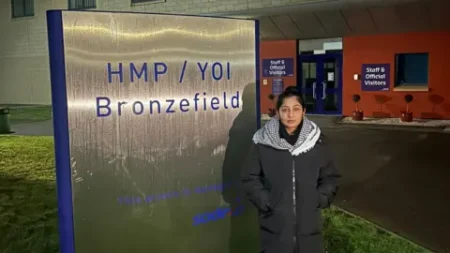
However, local officials remain skeptical about the efficacy of government plans given the immediate circumstances affecting their communities. Brown and Ridley, along with community members, are now confronted with the challenge of integrating these decisions into a framework that respects local governance and addresses the needs of all stakeholders involved. As the situation evolves, both the Coventry City Council and local politicians, including Zarah Sultana, the city’s Member of Parliament, are likely to remain engaged in discussions with governmental authorities in a bid to influence future policy directions and ensure a collaborative approach.
The escalation in tensions surrounding this matter reflects broader issues at play in the UK concerning asylum policies and local governance. Asylum seekers, often fleeing dire situations in their home countries, find themselves caught in complex bureaucratic processes that seem to overlook the localized impact of such national decisions. As Coventry moves forward, it will need to balance its humanitarian ethos with the practical realities brought about by these recent developments.