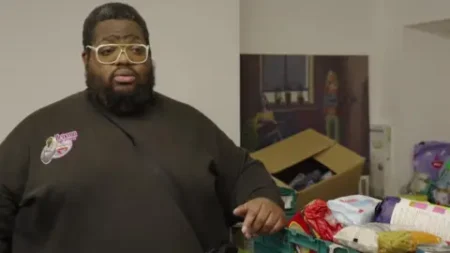




The quest for employment has become a pressing concern for many young individuals in the UK today, particularly as they navigate the complexities of the job market and governmental policies aimed at enhancing youth employment. This issue has been exacerbated by the global pandemic and subsequent economic shifts, which have left a substantial number of young people feeling uncertain and anxious about their futures.
Recent statistics indicate a staggering number of nearly a million young people aged 16-24 were reported as being out of education, training, or employment between July and September. This figure is alarming and highlights a significant societal challenge. In response, the government has laid out plans to encourage young people to either “earn or learn,” threatening sanctions on benefits for those who refuse to engage in work opportunities. Nevertheless, while the government allocates more funding to job centers and mental health support services, business leaders argue that increasing costs associated with National Insurance contributions and minimum wage hikes could impede job creation, further complicating the landscape.
The BBC has engaged with several young individuals to shed light on their personal employment journeys and the obstacles they face. One notable example is Hassan, a 20-year-old from Birmingham. Following the completion of his A levels in 2022, Hassan has struggled to secure a job. He expressed his confusion and frustration regarding job applications, highlighting his anxiety and lack of direction in creating a suitable CV or navigating the application process. His experience was compounded by mental health challenges stemming from missed GCSE exams due to the pandemic, leading him to further question the traditional narrative that emphasizes education as a clear path to employment.
Similarly, Amy Wilkes, a 23-year-old from Coventry with a degree in criminology, finds herself in a bleak job market where her applications yield little to no response. She has been volunteering in the witness service for over a year, yet continues to struggle to transition into a stable career. Amy’s experiences underscore the widespread feeling of frustration among young people who believe they possess the necessary qualifications and skills but are overlooked due to lack of experience.
Additionally, Kiarna, an 18-year-old from Birmingham, shares her story involving learning difficulties and mental health challenges that have made it difficult for her to find meaningful work. Having received inadequate support during her time in school, Kiarna now relies on organizations like the King’s Trust for assistance in navigating the job market. She emphasizes that the key to addressing youth unemployment lies not in punishment but in understanding and support for those facing barriers to entry in the workforce.
Moreover, the challenges for young parents are also highlighted through Fiona Button’s experience. A 48-year-old mother of three, she left the workforce to care for her children, only to find that returning to work is hindered by the high cost of childcare. Fiona’s predicament illustrates how financial responsibilities can trap individuals in a cycle where the costs of employment outweigh the benefits.
On the other end of the spectrum, Andrew Bullock, who retired at 55, discusses how stepping away from work has allowed him to regain control over his life. He finds fulfillment in volunteering and caring for his family, and he believes that his current lifestyle is richer and more engaging than when he was employed.
In light of these diverse experiences, it is evident that the issue of youth unemployment is multifaceted, encompassing mental health, economic barriers, and a staggering lack of support systems. To truly address this crisis, society must prioritize not just employment opportunities, but also the mental well-being and structural support necessary for young people to thrive in a challenging job market.