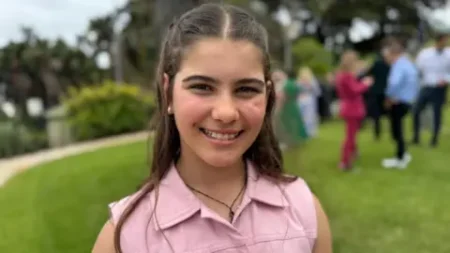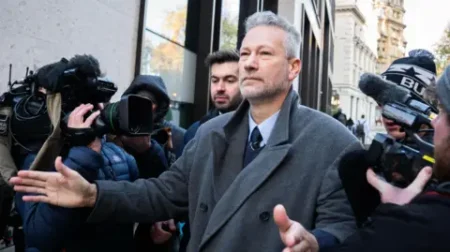




In a high-profile case that reflects the often tumultuous intersection of politics and public behavior, a woman named Victoria Thomas Bowen, aged 25, has been sentenced for throwing a milkshake at Nigel Farage, leader of Reform UK. This incident transpired on June 4, coinciding with the general election campaign, while Farage was leaving the Moon and Starfish pub located in Clacton-on-Sea. Bowen’s action, fueled by her disagreement with Farage’s political views, has resulted in legal consequences and public attention.
Following the incident, Thomas Bowen was put through the legal process where she admitted to assault by beating and criminal damage. The case was handled at Westminster Magistrates’ Court. The court proceedings culminated in a sentence of 13 weeks, which has been suspended for a duration of 12 months. In addition to this, Bowen was mandated to pay Farage £150 in compensation. The court also prescribed that she must undertake 120 hours of unpaid community work and cover £450 in court costs associated with the trial.
The public nature of this incident was further amplified by the fact that Farage was actively campaigning, having just announced his candidacy for the Essex constituency when the milkshake attack occurred. The timing and location were critical as they captured the essence of a heated political climate surrounding the general elections. This event not only drew media coverage but also became a talking point regarding the decorum expected between politicians and the general public, particularly during such contentious times.
Nigel Farage, who has long been a polarizing figure in British politics, expressed feeling “humiliated” by the incident and conveyed concerns for his personal safety moving forward. He articulated his thoughts to the court, indicating that the incident left him shaken and contemplative about the potential escalation of similar attacks. There was a significant emphasis on the psychological impact it had on him, reflecting a broader concern among public figures regarding their safety in public spaces.
Additionally, the attack resulted in damages to the attire of Farage’s security officer, James Woolfenden, which were estimated at £17.50. This added financial consideration was also weighed by the court, leading to an order for Bowen to compensate for the damage caused.
Interestingly, Bowen’s initial response to the charges was to deny them. She had been scheduled to go on trial in October but opted to change her plea to guilty prior to the legal proceedings commencing. During her police interview, she was clear about her motivations, openly stating that her actions were directly linked to her objections to Farage’s political stances.
This incident, which involved a McDonald’s milkshake, became emblematic of the escalating anxieties surrounding political discourse and protests in public arenas. As throwaway behaviors such as food throwing become more prevalent among those expressing dissent, there is a growing discussion about the implications for civil discourse and respect for public figures, regardless of their political affiliations.
In conclusion, the case of Victoria Thomas Bowen serves as a reminder of the passionate emotions that can surface within political contexts and the legal ramifications that can follow acts of aggression, however seemingly benign they might appear. It underscores the necessity for respectful engagement and the need to navigate political disagreements through dialogue, rather than confrontations that can spiral into acts of public violence. This case may set a precedent for how similar future incidents are addressed both in law and in the public’s perception of political engagement.