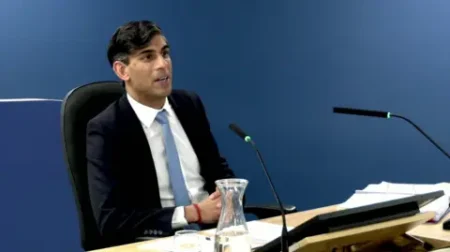




The final day of the inquiry into the Horizon IT scandal saw Paula Vennells, the former chief executive of the Post Office, make a significant statement that echoed the complex dynamics surrounding the inquiry. Vennells stated that her senior team failed to convey crucial information regarding the scandal. However, she emphasized that she had “no desire to point the finger at others.” This remark highlighted a pervasive sentiment among sub-postmasters present at the inquiry, who responded with groans at the assertion and even laughed when she expressed her reluctance to assign blame.
The Horizon IT scandal has had devastating repercussions, with over 900 sub-postmasters facing prosecution for discrepancies in their accounts, which were inadvertently generated by flaws in the Horizon IT system. This inquiry serves as a crucial step in addressing the injustices that arose from faulty technology and mismanagement.
In a particularly notable moment from the inquiry, Vennells’ lawyer named several former colleagues, including Angela van den Bogerd, who were alleged to have obfuscated important facts related to the scandal. This revelation drew reactions from the attendees, emphasizing the tension and mixed feelings surrounding the proceedings. The sub-postmasters’ frustrations have been palpable throughout this inquiry, as many have battled not only to vindicate their names but also to seek appropriate compensation for their losses.
On the same day, the UK government announced that it would be compensating sub-postmasters who had experienced financial losses due to earlier issues within the Post Office IT system known as Capture. This system was operational between 1992 and 1999 before being replaced by Horizon—a change that would ultimately lead to widespread issues and miscarriages of justice. The government urged the Post Office to promptly evaluate its records to prevent any wrongful convictions arising from similar injustices that were characteristic of the Horizon scandal.
During the inquiry, it was argued by Vennells’ legal counsel, Samantha Leek KC, that there has been no evidence presented suggesting that Ms. Vennells acted in bad faith during her tenure as CEO. Leek acknowledged that while Vennells did not uncover the reality of the numerous bugs and errors embedded within the software, she was deprived of vital information that should have been relayed by her senior team members. Vennells, who served as the chief executive of the Post Office from 2012 to 2019 and had previously been its network director, admitted her lack of knowledge regarding why critical details were omitted from her view.
The Horizon inquiry itself began in September 2020 and has amassed considerable documentation and witness statements, with a total of 298 witnesses testifying and over 780 witness statements recorded, comprising an astounding 2.2 million pages of disclosure. The scale of the inquiry illustrates the complexity and depth of the issues arising from the Horizon scandal, which has long plagued the reputation of the Post Office and caused immense pain for those affected.
In a reflective tone, Kate Gallafent KC, a lawyer representing the Post Office, characterized the inquiry as a “humbling experience.” She noted that the root of the scandal lies in “fundamental structural and governance failings,” but asserted that the Post Office has transformed into a different entity from what it was during the scandal’s occurrences. Acknowledging the significant gaps that remain, Gallafent admitted that the organization still faces challenges in rebuilding its reputation and relationships with both postmasters and the public as a whole.
As the inquiry concludes, dissatisfaction remains among victims regarding their compensation, with lawyers indicating that their clients continue to await reparations for the injustices they suffered as a result of the flawed IT system. The Horizon inquiry has undoubtedly led to pertinent revelations and discussions about accountability, corporate governance, and the need for systemic changes to prevent such failures from reoccurring in the future.