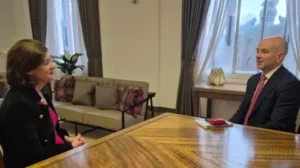



The issue of child sexual exploitation has taken center stage once again, compounded by the recent remarks from Paul Waugh, the Member of Parliament (MP) for Rochdale. Waugh’s position is particularly poignant as Rochdale has suffered heavily from one of the most endemic child grooming scandals in recent British history, where nine men were implicated and subsequently jailed in 2012 for their roles in exploiting young girls. This dark chapter in Rochdale’s history has propelled conversations about accountability and the necessity of a national inquiry into grooming gang crimes.
In a recent statement, Waugh voiced his support for a national inquiry, but with some important caveats. His emphasis is that any inquiry must reflect the wishes of the victims, who bravely shared their stories after enduring unimaginable trauma. He articulated a concern about re-traumatizing these individuals, questioning whether they would be forced to relive their painful experiences repeatedly as part of the inquiry process. Waugh’s stance underscores the need for sensitivity and consideration of the victims’ mental and emotional wellbeing in legal and institutional processes.
The push for a thorough inquiry has been met with resistance from the government, which argues that prior findings from investigations into child sexual abuse are still pending implementation. This position was reiterated after Waugh’s comments during an interview with BBC Politics North West. Critically, he brought to light another significant concern: the potential overlap of any new inquiry with ongoing police investigations. Waugh underscored that inquiries must not interfere with active law enforcement efforts addressing current cases of sexual exploitation.
Echoing similar sentiments, Councillor Martyn Cox, leader of the Conservative party in Bolton, pointed out that his party had previously erred by not calling for a national inquiry while in power. His reflections on the political landscape offered a glimpse into the collective frustrations felt regarding the slow progression of justice and accountability. Cox remarked that it is better for an inquiry to occur—even late—than not to happen at all.
The public sentiment surrounding the need for justice has been palpable. Dan Carden, the Labour MP for Liverpool Walton, articulated the collective anguish felt by the public for the victims, particularly for the thousands of young British working-class girls affected by grooming gangs. He urged that the ongoing calls for justice are essential and must be taken seriously by those in power.
Additionally, Greater Manchester Mayor Andy Burnham has shown inclination towards a limited national inquiry aimed particularly at compelling witnesses to provide evidence against those implicated in these heinous offenses. Burnham’s previous commissions for local reviews into similar cases in Rochdale, Manchester, and Oldham were deemed insufficient compared to what could potentially be gained from a public inquiry.
Despite these appeals, Culture Secretary Lisa Nandy has retorted that the Jay Inquiry, which was initiated by Theresa May’s government, has already accrued extensive evidence from numerous victims and addressed many of the concerns raised by Burnham.
Overall, the dialogue around establishing a national inquiry into child grooming gangs reflects a broader societal need to address the issues of child sexual exploitation. It highlights the ongoing struggle for justice among victims, the responsibility of government agencies, and the necessity for comprehensive safeguards to ensure that the voices of those affected are heard and respected. The inquiry’s potential will not only seek to uncover difficult truths but also shape a future where such exploitation is more effectively prevented. The shared objective is clear: to uphold the rights and dignity of all victims while fostering a society that prioritizes justice and accountability over bureaucratic delays.