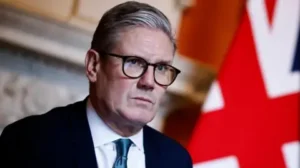


In recent developments, Prime Minister Sir Keir Starmer and Chancellor Rachel Reeves are at the helm of the UK’s economic strategy during a particularly challenging time. The economy is currently characterized by sluggish growth, escalating government borrowing costs, and declining approval ratings for the Labour administration. These factors have led to an atmosphere where senior ministers, particularly Reeves, are notably restrained in their public demeanor. This climate underscores the gravity of the situation, leaving little room for optimism.
Sir Keir Starmer and Rachel Reeves symbolize the Labour Party’s aspirations in the 2020s, marking a renaissance for the party that hinges significantly on regaining public trust in economic management. This revitalization is essential as the Labour leadership seeks to portray a capable image that resonates with voters. However, the response from the financial markets regarding their economic policies has not been as favorable as anticipated, revealing a disconnect that puts pressure on both leaders. Indeed, jittery markets often mirror broader political stability, making it crucial for Starmer and Reeves to manage this situation carefully.
The current economic landscape presents a daunting task for the government. Critics argue that recent policies may have exacerbated existing issues, leading to economic stagnation. Internal concerns from Labour MPs indicate a growing anxiety about governance challenges, particularly regarding the availability of funds for their preferred initiatives. This backdrop adds another layer of complexity to the leadership’s decision-making process, compounding the pressure on Starmer and Reeves as they navigate their economic strategy.
Amid these challenges, a notable moment arose when reporters sought confirmation of Starmer’s confidence in Reeves, raising questions about her role as Chancellor. The Prime Minister affirmed his position but hesitated to commit to her continuity in the role until the next election, leading to speculation. This prompted a wave of sensational headlines, which the Prime Minister’s office later clarified. Government personnel in Downing Street viewed this inquiry as somewhat outlandish, considering the long-standing partnership and intertwined political careers of Starmer and Reeves.
As both leaders face this economic turbulence, they hope for a stabilization of the markets, which would ease the constraints of government borrowing and facilitate more favorable decisions. Starmer has reiterated that the government’s fiscal rules are inviolable, a stance that suggests an austerity that may limit spending in areas previously earmarked for growth initiatives. The commitment to not raising taxes further also signals a difficult road ahead in terms of budgeting and economic management.
While confronting these headwinds, the advent of artificial intelligence presents both opportunities and risks. Starmer has demonstrated enthusiasm for leveraging AI to enhance productivity and revolutionize economic performance. His administration believes that digital advancements can lead to more efficient public services and economic growth, a position that starkly contrasts with the criticisms directed at his government concerning economic pessimism. By adopting an optimistic narrative surrounding AI, Starmer aims to shift the national conversation towards a more positive future.
However, the history of industrial revolutions is riddled with complexities that yield winners and losers. As the government promotes this optimistic view, the broader implications of AI advancements on society, the labor market, and economic inequality remain significant challenges. The crucial task for Starmer’s administration will be to steer the country through these economic uncertainties while ensuring that the benefits of technological advancements are equitably distributed.
In summary, navigating the current economic landscape, characterized by a flatlining economy and wobbly markets, presents a formidable challenge for Prime Minister Sir Keir Starmer and Chancellor Rachel Reeves. Their ability to secure public trust on economic issues, manage internal party dynamics, and harness new technologies like AI will play a pivotal role in shaping the future of their leadership and the Labour Party’s broader agenda.