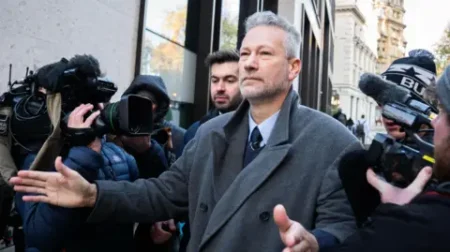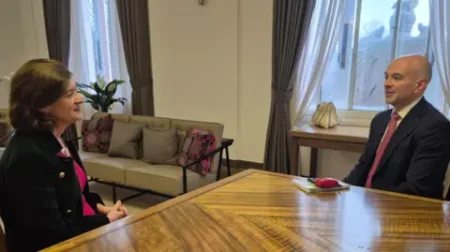




In recent discussions within the UK Parliament, a Conservative Member of Parliament (MP), Mark Francois, has advocated for a public referendum specifically regarding proposed plans for devolution of local government in Essex. This call for a referendum is driven by a desire to give residents a voice in matters that could potentially reshape local governance significantly. Francois asserted that residents should have the opportunity to either endorse sweeping changes or retain the current local governance structures. The argument stems from concerns that many community members lack awareness of the implications of such devolution moves.
The proposed local government reforms would involve a major overhaul of Essex’s existing administrative framework. Currently, Essex is served by 15 local authorities, including 12 district and borough councils. The reformation suggests a transition to between two and five unitary councils, which would centralize various responsibilities under a single administrative body for each area. Mark Francois, the MP for Rayleigh and Wickford, emphasized that despite the assertions of senior county councillors advocating for devolution to Ministers, there is “no clamour” for such changes from the inhabitants of Essex. He further argued that decisions made by a few do not reflect the desires of the entire region.
Counter to Francois’s perspective, Kevin Bentley, the Conservative leader of Essex County Council, noted that the viewpoint of one individual does not represent the entire community. Bentley articulated that if residents were asked about the potential benefits of devolution—such as improved bus services, better job prospects, and enhanced investment in skills for families—there is a strong possibility they would respond positively to the idea of pursuing a better deal from the local government.
Local Government Minister Jim McMahon noted that the role of the government is to provide direction and considered that through strategic changes like devolution, efficiencies could be realized. The road ahead seems to hinge on upcoming elections, potentially holding elections for a mayor in Essex granted additional powers by May 2026 if the area is selected among the first wave for devolution. However, both Essex and Thurrock councils have requested to postpone elections scheduled for May in order to focus on implementing these extensive local reforms.
The matter of cancelling the elections has raised significant concerns among various political factions. Mark Francois characterized it as “anti-democratic” to halt the democratic process in light of potential reforms. Opposition is present among the local Liberal Democrats and Conservative figures like Nigel Farage, the MP for Clacton, who favor proceeding with the elections as scheduled. On the other hand, Labour MPs have largely supported the reorganization of councils in Essex, arguing that it presents an opportunity to simplify local governance while promoting cost efficiency and increased value to taxpayers.
MP Chris Vince from Harlow spoke in favor of the reforms, stating that they could help streamline local governance. He emphasized that these changes might yield more cost-effective solutions while retaining value for the taxpayer. Additionally, Jen Craft, MP for Thurrock, highlighted the proposed changes as a significant opportunity that could lead to advances in Essex.
In conclusion, as discussions around devolution in Essex continue, the next steps will depend on the government’s upcoming decisions. Mark Francois’s call for a referendum champions the significance of grassroots input in governmental changes, while advocates of the reform cite the potential for considerable improvements in local services and economic prospects as compelling reasons to push forward with administrative restructuring. The outcomes of these deliberations will ultimately shape the future structure of local governance in Essex and significantly impact its residents.