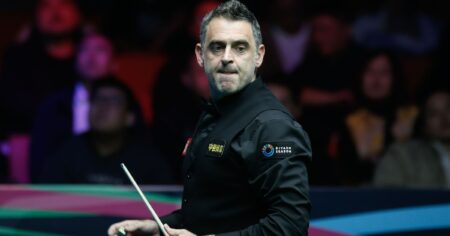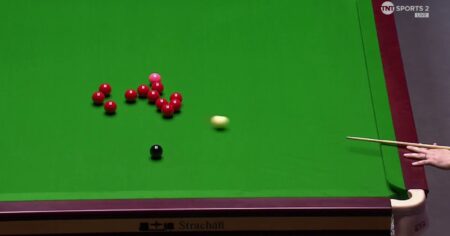




Recently, the longstanding rivalry between two well-known snooker players flared up in a tense atmosphere during the UK Championship held in York. The championship unfolded in a high-stakes setting, particularly during the semi-final match between Mark Allen and Barry Hawkins. This intense encounter lasted nearly six hours and concluded just past midnight, showcasing the physical and mental toll that such a lengthy competition can impose.
During this gripping match, which was watched by an eager audience, a notable moment occurred that ignited a flashpoint between competitors. Allen’s opponent, Murphy, openly questioned the pace of Allen’s play. His impatience became clear as he observed Allen taking a considerable amount of time between shots. In professional snooker, the rhythm of play can be crucial, not just for maintaining focus but also for affecting momentum. Murphy’s remarks regarding Allen’s deliberateness added a layer of tension to the already combative atmosphere that defined this classic encounter.
The implications of Murphy’s comments were significant, as they highlighted a common issue in competitive matches: the perception of pacing. Players often have their strategies, which may involve taking time to assess angles and calculate shots meticulously. However, observers—including both fellow competitors and the audience—may interpret such pauses differently. For Murphy, Allen’s pace was perceived as excessive, potentially throwing off the natural flow of the game. This perspective is not uncommon, as many fans and players share an understanding and appreciation for brisker play, which enhances the excitement and keeps viewers engaged.
Ultimately, the match culminated in a narrow defeat for Allen, who lost the semi-final contest to Hawkins with a final score of 6-5. The defeat was particularly heartbreaking given the length of the battle and the energy expended on both sides. Such matches can often define a player’s season, not just from a results standpoint but in terms of mental endurance and confidence. The emotional aftermath of the match likely lingered, exacerbated by the unfolding drama surrounding Murphy’s comments.
The rivalry between Murphy and Allen is emblematic of a broader narrative present in professional sports, where personalities clash as much as abilities. Both players have previously exchanged barbs and experienced moments of tension, which adds not only personal stakes but also public intrigue to their encounters. The UK Championship, being one of the foremost events on the snooker calendar, intensified these dynamics as players sought to assert their dominance on a prestigious stage.
In reflecting on the outcome of the UK Championship, one can observe the complexities ingrained in sportsmanship. Rivalries can spur athletes to reach greater heights or, conversely, lead to dissent and divisiveness. For Mark Allen, the experience of the semi-final loss, compounded by Murphy’s comments, may serve as a pivotal moment for future encounters, as he navigates his approach to competition and personal strategy.
As the world of snooker continues to evolve, one can only speculate on how such rivalries might influence matches going forward. The impact on players, their performances, and the expectations of spectators creates a compelling narrative that not only engages fans but also shapes the future of the sport. The dynamics of rivalry, pacing, and emotional resilience will undoubtedly serve as themes in these athletes’ ongoing journey within the world of professional snooker. The clash at the UK Championship may just be one chapter in a larger story that continues to unfold within the competitive arena.