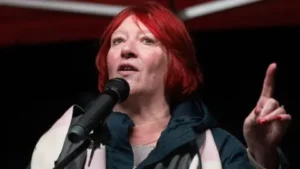



In a significant move regarding the funding of the BBC, Culture Secretary Lisa Nandy has firmly stated there will be no funding from general taxation if the traditional TV licence fee is abolished. This commentary comes amidst an ongoing discussion about the future financial structure of the BBC, which has relied on the licence fee as its primary source of funding. Nandy’s remarks were made during an interview on BBC Breakfast, where she characterized the current licence fee system as “deeply regressive” and indicated her intent to consider a range of alternative funding models for the BBC.
The debate surrounding the BBC’s funding has intensified as the broadcaster is poised to renegotiate its financial arrangements ahead of the expiration of its current royal charter in 2027. The royal charter outlines the parameters and purposes of the BBC, and these negotiations will likely shape the organization’s future. Currently, the BBC generates most of its income from the annual licence fee, which stands at £169.50. However, this approach has come under scrutiny, and Nandy has begun exploring various funding alternatives, stating, “There’s a whole range of alternatives, and we haven’t committed to any of them.”
While a subscription model—where viewers pay to access content—remains on the table, Nandy has made it clear that relying on general taxation is not a viable option. One of her major concerns with funding the BBC through taxes is that it could lead to increased political interference, as those controlling the budget could potentially influence the broadcaster’s editorial independence. Nandy emphasized the importance of maintaining a free and impartial media landscape in the UK, which is capable of holding the government accountable.
In her analysis, Nandy acknowledged the historical context of the licence fee, asserting that it is no longer suitable for the current era. She highlighted the financial strain it places on the public, particularly on vulnerable groups. Specifically, she noted that the flat nature of the fee disproportionately affects poorer individuals, mentioning that “far too many women” have faced prosecution in recent years for their inability to pay the licence fee, indicating a significant social issue linked to this funding model.
The BBC is grappling with “serious financial pressure,” having received £3.7 billion from the licence fee last year, accounting for approximately two-thirds of its total income. Over the years, inflation-adjusted increases for the licence fee have dwindled, constraining the BBC’s fiscal capabilities. Director General Tim Davie previously indicated that the expectation of annual savings would escalate to £700 million by 2028, intensifying the need for a sustainable funding model.
In response to concerns regarding the future viability of the BBC amidst changing audience habits and financial constraints, the BBC has announced plans to engage with the public. A spokesperson remarked that they aim to deliver quality content that resonates with viewers, including trusted news and compelling storytelling. This initiative is set to roll out later this year, allowing audiences to provide input on how they envision the future of public broadcasting in the UK.
At the core of Nandy’s discourse lies a recognition that public sentiment is shifting, as she remarked on the “genuine sense” that the licence fee needs to be revisited. There is widespread acknowledgment that alternative funding methods are necessary, modeled possibly after practices in other European nations. For instance, Nandy cited France, where a cinema levy contributes to PBS funding—though she refrained from committing to any specific ideas at this juncture.
As Nandy gears up for a summit with leaders from 250 cultural businesses, the government also announced a £60 million package aimed at supporting the creative industries. Continually engaged in these discussions, Nandy emphasized the goal of future-proofing the BBC, ensuring it remains relevant and able to serve the public interest effectively for years to come. This ongoing dialogue about the BBC’s funding structures encapsulates broader discussions about media independence, public accountability, and the evolving relationship between government and broadcasting institutions.