


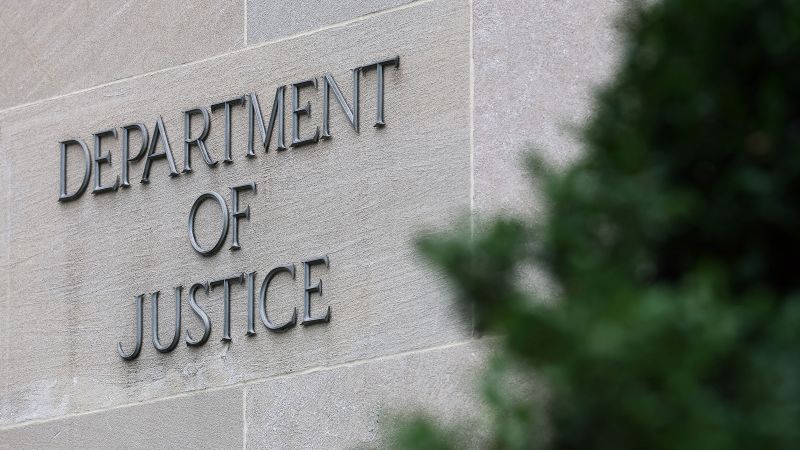
The Justice Department (DOJ) has requested a federal judge in Florida to reconsider the unsealing of grand jury materials tied to an ongoing investigation into Jeffrey Epstein, who has been accused of sex trafficking. This request from the DOJ comes just as the agency is faced with a congressionally-mandated deadline set for next month to publicly disclose all documents associated with Epstein. The case has drawn extensive public attention, in light of Epstein’s notorious criminal background and the high-profile individuals linked to him.
A judge presiding in the Southern District of Florida had previously rejected the DOJ’s motion to publicly release transcripts related to the case. Although federal prosecutors had aimed to unveil these documents due to the “extensive public interest,” the judge clarified that her “hands are tied.” The rationale lies in the DOJ’s request being made outside the context of a judicial proceeding, which is typically the required standard for the release of such sensitive materials.
The situation further complicated when the DOJ submitted a filing last Friday, highlighting the recent passing of a legislative act that mandates the release of all files concerning Epstein within a daunting timeline of 30 days. The DOJ emphasized that this new law necessitates the public production of the grand jury materials, arguing, “public production of the grand jury material is therefore required.” The document submitted stressed that under the Act’s clear directive, the court should permit the DOJ to disclose the grand jury transcripts while also lifting any existing protective orders that would inhibit public access.
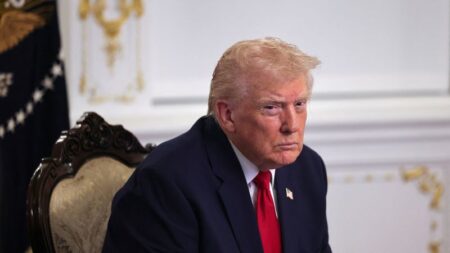
However, it is critical to note that the legislation passed does not specifically address grand jury materials. President Donald Trump had signed this law into effect only last week. The law is officially named the “Epstein Files Transparency Act” and was rapidly passed by the House of Representatives earlier this month with overwhelming support. Subsequently, the Senate approved the bill through unanimous consent, indicating strong bipartisan agreement on the need for transparency regarding Epstein’s files.
As the situation develops, there is considerable uncertainty regarding the specific files that the DOJ intends to release or potentially withhold, especially considering that some documents could remain undisclosed due to ongoing investigations. Notably, Trump has urged the DOJ to look into Epstein’s connections with several high-profile figures linked to the Democratic Party, including Bill Clinton, Larry Summers, Reid Hoffman, and financial institutions like J.P. Morgan Chase.
The grand jury testimony that the DOJ is requesting to be released represents merely a fraction of the thousands of documents accumulated from the extensive Epstein investigation. A considerable number of those documents, which could shed light on the scope of Epstein’s operations and the individuals involved, are already in the possession of the DOJ. It remains unclear whether all of these documents were properly presented to the jury in Florida or if any notable evidence has yet to be made public.
As the actions of the Justice Department unfold, it reflects the ongoing complexities and sensitivities surrounding one of history’s most highly publicized sexual abuse investigations. The interplay between legal proceedings, public interest, and legislative directives presents a challenging landscape as stakeholders navigate the ramifications of Epstein’s legacy. The broader implications of this case continue to reverberate through various sectors, underscoring a heightened call for accountability and transparency in matters of high-profile abuse and trafficking cases.