

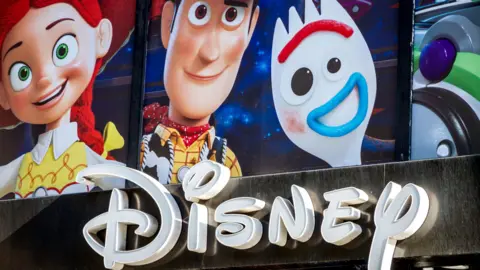
The recent announcement of a substantial partnership between OpenAI and Disney has stirred significant unease within the creative industries. A union representing workers across various creative sectors has articulated its profound worries regarding the ramifications of this $1 billion deal, which will introduce Disney characters to OpenAI’s ChatGPT and video-generating platform, Sora. This unprecedented collaboration marks a pivotal moment in the intersection of technology and creativity, raising critical questions about the future of artistry in an increasingly AI-driven landscape.
This partnership signifies a groundbreaking shift as Disney becomes the first major studio to license elements of its renowned catalog to OpenAI. As a result, fans will gain the ability to generate and share visuals and videos featuring over 200 beloved characters from Disney’s extensive franchises, including titles like Pixar’s “Toy Story,” Marvel’s iconic superheroes, and the epic saga of “Star Wars.”
The executive director of SAG-AFTRA, Duncan Crabtree-Ireland, expressed the sentiments of many within the entertainment sector when he remarked on the widespread trepidation regarding the implications of this agreement. He emphasized that creative professionals are rightfully concerned about losing control over their unique skills and outputs to AI systems, a sentiment resonating deeply within the industry.
Despite reassurances that the deal excludes the use of human performers’ images, likenesses, or voices, the uncertainty regarding AI’s potential to replicate or overshadow creative work remains a significant point of contention. Crabtree-Ireland noted, “There’s real concern because nobody wants to see human creativity given away to AI models,” highlighting the fear that this could set a dangerous precedent for the exploitation of artistic talents.
As OpenAI navigates the murky waters of its technology’s impact, a growing unease permeates Hollywood. The anxiety is further compounded by Disney’s clear acknowledgment of a crucial moment for the industry, as expressed by its boss, Bob Iger. The collaboration, which is anticipated to enable consumers to start creating videos and images through Sora and ChatGPT in early 2026, has become a symbol of the ongoing evolution in storytelling methods, albeit one that raises red flags for many within the creative workforce.
This agreement coincides with Disney’s legal maneuvers, as the company recently issued a cease-and-desist notice to Google, accusing the tech giant of “massive scale” copyright infringement. Such moves underline the urgency with which rights owners and large AI developers are striking licensing deals, as highlighted by Joel Smith, a partner at Simmons & Simmons law firm. The need for collaboration and protection of creative content appears more pressing than ever.
Equity, a prominent entertainment trade union, stresses the critical importance of safeguarding actors’ rights in light of this partnership. The group is currently voting among thousands of performers on whether to refuse digital scanning technologies on set, as a measure to advocate for more robust protections in relation to AI.
Concerns regarding the ethical use of AI technology have been magnified, particularly in the context of Sora’s video capabilities, which have generated both intrigue and controversy. Critics point to instances where the tool has produced offensive deepfakes of historical public figures, raising alarms about the ethical implications of such technology. OpenAI itself faced backlash for disrespectful portrayals of Dr. Martin Luther King Jr., prompting the firm to halt the generation of similar content.
Moreover, the family of the late comedian Robin Williams publicly urged the cessation of unauthorized AI-generated videos featuring him, showcasing the intersection of grief and the burgeoning capabilities of AI. In a broader sense, the disquiet surrounding AI’s potential misuses and the resultant implications for legacy and respect for individuals highlight the pressing need for discussions around ethics in AI development.
In conclusion, the partnership between OpenAI and Disney heralds a new chapter in the relationship between creativity and technology. As the creative industry grapples with the implications of AI’s rapid advancements, the challenge will be finding a balance that fosters innovation while protecting the rights and contributions of human artists. The evolving conversation around these issues will undoubtedly shape the future landscape of entertainment and creative expression.