

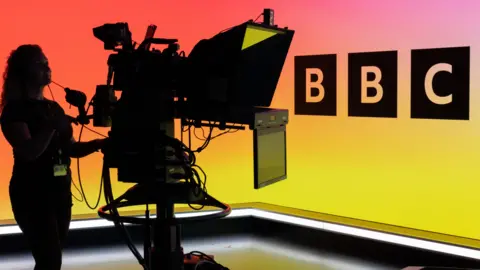
The British government is embarking on a significant review of the BBC’s funding model that could lead to the introduction of new funding mechanisms, such as advertising or subscription services. In a move that could reshape the future of one of the nation’s most iconic institutions, the government has published a green paper outlining various options that aim to secure the BBC’s financial sustainability while enhancing public trust in its operations.
The green paper marks the commencement of a public consultation period, inviting feedback from the public regarding their preferences for the BBC’s funding. Key proposals under consideration include the potential introduction of advertisements across BBC platforms, which could be shown during live programming, on BBC iPlayer, and the BBC website. Additionally, the government is contemplating the creation of a subscription service that would allow users to access premium content for an extra fee.
In light of the forthcoming renewal of the BBC’s charter— the document that outlines its governance and regulatory framework, set to expire in 2027—these proposed changes are critical. The current television licence fee, which costs £174.50 per year, could be replaced with a more flexible system possibly tied to the services used by consumers. This represents a paradigm shift in how public broadcasting could be funded, emphasizing a more sustainable approach in the face of evolving media consumption habits.
Questioning existing funding methods, the Culture Secretary Lisa Nandy stated that the government is “keeping an open mind about the future of BBC funding,” emphasizing that they do not yet have a determined preference for any specific funding model. Notably, the governmental discussions have explicitly ruled out funding the BBC through general taxation. Nandy highlighted, “It is essential that the BBC can hold governments to account without fear or favour and without being heavily reliant on direct government funding,” asserting the importance of the BBC’s independence.
Furthermore, the consultation seeks to gauge public opinion on the level of advertising that audiences would find acceptable on BBC services, with options ranging from extensive advertising to no advertising at all. If adopted, this will represent the first instance of advertisements being featured on BBC platforms in its century-long history, potentially generating substantial revenue while keeping services universally available.
From a subscription standpoint, the consultation documents suggest that the government may explore introducing a “top-up” subscription service for premium content. This aligns with a growing trend in the media landscape towards diversified funding sources for public broadcasters facing increased competition from streaming services and changes in viewer habits.
The former BBC controller of editorial policy, Richard Ayre, expressed optimistic sentiments, viewing the consultation period as “the most encouraging start of a charter process in decades.” However, he acknowledged the prevailing benefit derived from the current licence fee, which will contend to maintain its relevance amidst ongoing transformations.
In recent months, the BBC has faced heightened scrutiny regarding its editorial standards. The government reiterated its commitment to ensuring that the BBC remains a robust and accountable institution, yet it is undeniably facing rocky waters following multiple controversies regarding bias and political interference. Nandy affirmed that the BBC “must have sustainable funding to thrive,” especially in light of its crucial role in the democratic processes of the country.
The consultations will remain open until March 2026, after which the government will publish its comprehensive vision for the BBC’s future funding and governance structure. This undertaking not only reveals the government’s approach to a vital national institution but also reflects a broader dialogue about the state of media in a rapidly changing environment, prioritizing both financial viability and the trust of the audience it serves.