

In recent developments within the UK Labour Party, approximately 40 Labour Members of Parliament (MPs) have expressed significant concerns regarding proposed changes to jury trials, directed towards Prime Minister Sir Keir Starmer. This group, predominantly but not exclusively from the left faction of the party, has voiced their dissent through an open letter, indicating that they would not endorse the government’s plans that aim to limit the use of jury trials in the English and Welsh legal systems.
The letter explicitly states the dissatisfaction of these MPs, highlighting that such measures are “not a silver bullet” for alleviating the existing backlog of criminal trials. They argue that limiting a fundamental legal right in a bid that could result in negligible improvement is, at best, unwise and could potentially exacerbate the current issues the justice system faces. This view suggests a stark opposition among party members on how to effectively address judicial delays without compromising fundamental rights.
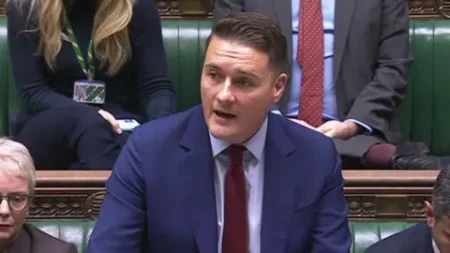
Sir Keir Starmer, responding to these protests, has pointed out that jury trials constitute a relatively minor portion of cases within the criminal courts. This remark was made during the House of Commons debate, particularly when addressing questions raised by MP Karl Turner, who was instrumental in organizing the letter. Starmer reassured MPs that jury trials would continue to be integral for serious cases, emphasizing the importance of this aspect of the legal system.
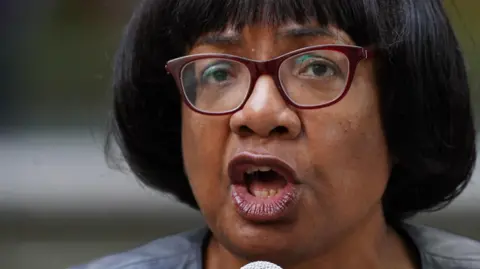
Furthermore, prominent Labour figures such as Diane Abbott, Vicky Foxcroft, and Dan Carden have signed the letter, indicating their firm stance against the proposed changes. Their collective stance points to a broader discourse within the party regarding the handling of trial backlogs, with this faction advocating for alternative solutions. These alternatives include increasing the operational days of courts, hiring more barristers to serve as part-time judges, and reviewing charges to resolve some of the caseload issues more effectively.
The push for limiting jury trials, announced by Justice Secretary David Lammy on December 3, reflects an effort to streamline processes amid an escalating backlog in the courts. The proposed legislation would essentially eliminate the right to a jury trial for offenses likely to result in sentences of under three years. This decision stems from recommendations made by retired Court of Appeal judge Sir Brian Leveson, who was asked by the Lord Chancellor to propose strategies to mitigate the delays that plague the legal system.
Leveson’s examination began in December 2024, and by July of this year, he had warned of the necessity for “fundamental” reforms to avoid a complete failure of the judicial system. His recommendations also suggested increasing out-of-court settlements and considering less severe options for charging individuals in certain cases.
The urgency behind these proposals has been heightened by alarming statistics regarding court delays. Current projections indicate that the number of cases in the Crown Courts could surge to 100,000 by 2028, which is a drastic increase from the nearly 78,000 cases currently outstanding. Such delays have dire consequences, notably evidenced by reports stating that around 60% of rape victims are opting out of prosecutions due to the prolonged waiting periods involved.
In summary, the debate surrounding jury trial limitations within the Labour Party exemplifies the ongoing struggle to address inefficiencies in the UK legal system. While some MPs argue fervently against changes that could undermine fundamental legal rights, the government emphasizes the urgency of reform in face of a worrying backlog. The path forward remains contentious, highlighting a deep divide within the party over how best to navigate the complexities of achieving an effective and equitable justice system.