

In a move aimed at better managing the influx of visitors to one of Rome’s most iconic landmarks, the Trevi Fountain, authorities in Italy’s capital have announced the imposition of a €2 fee (approximately £1.75 or $2.34) for tourists wishing to view the fountain up close. This initiative is set to commence on February 1, 2026, and marks a significant shift in how access to this famed Baroque monument will be regulated.
The decision to charge a fee is not without its rationale. As outlined by Rome’s Mayor Roberto Gualtieri, who discussed the subject with news agency Reuters, the fees collected from visitors will be allocated towards the upkeep and maintenance of the site, rather than being used for charitable purposes like the coins traditionally tossed into the fountain. The city anticipates that the new levy will yield an impressive €6.5 million annually, which would assist in both preserving the fountain and managing the flow of tourists.
This fee structure is part of a broader tariff system being introduced for several prominent museums and attractions within Rome. While visitors from outside the city will now be required to pay to enjoy the Trevi Fountain and five other notable sites, including the Napoleonic Museum, local residents will receive free access to a range of locations currently charging for entry, such as the Sacred Area of Largo Argentina. This bifurcation aims to make cultural heritage sites more accessible for residents while still generating needed revenue from the tourism sector.
Exemptions from the fee will be granted to young children under the age of five as well as individuals with disabilities accompanied by a caretaker, ensuring that the policy considers vulnerable groups. Tourists, however, will still have the option to view the majestic fountain for free from a distance, providing some reprieve for those unwilling to pay the fee while still enabling the viewing of one of Rome’s most picturesque sites.
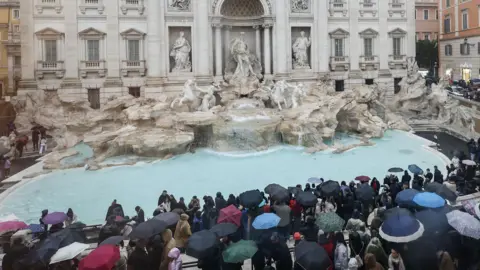
The Trevi Fountain, constructed in the 18th century under the direction of architect Nicola Salvi, draws about 30,000 visitors daily, making it essential for the city to implement strategies that manage crowd sizes. Last year, follow-up restoration efforts led to the introduction of a queuing system designed to curb the overwhelming mass of visitors typically congregating around the site. Presently, access to the fountain is limited to 400 people at a time, aligning with efforts to create a more pleasant and orderly experience for both tourists and the local populace.
Mayor Gualtieri emphasized that the modest fee of two euros is not prohibitively expensive and should contribute to a more streamlined tourist experience. The intention behind the fee is to curtail chaotic scenes that tend to accompany large groups of tourists, a common sight at the Trevi Fountain given its popularity and status as a must-visit location for travelers from around the globe.
Ultimately, this new fee is one of many steps being taken by the city to ensure that cultural treasures like the Trevi Fountain remain not only accessible and well-maintained but also enjoyable for future generations. The large number of tourists who flock to the fountain speaks volumes about its fame and significance, but without proper management and funding, such sites risk becoming overwhelmed, diminishing the experience for all.