


The Financial Conduct Authority (FCA) has launched an investigation into WH Smith, the well-known UK retailer, following the discovery of significant accounting errors within its North American business. This scrutiny comes on the heels of the retailer’s belated announcement of its annual results, which had originally been scheduled for release on November 12. The company revealed that misleading information may have been shared with investors regarding its financial standing, leading to serious repercussions for the organization.
At the heart of the issue, WH Smith acknowledged that there were substantial overstatements of revenue in its North American operations, which may have inflated figures by as much as £50 million. This revelation has led to a tumultuous time for the company, with a marked decline of approximately 40% in its share value. The turmoil included the resignation of the chief executive, Carl Cowling, subsequent to an independent review that sought to assess the extent of these financial discrepancies. Andrew Harrison, appointed as interim group chief executive, expressed that the company faces considerable challenges ahead to restore trust and boost its operational effectiveness.
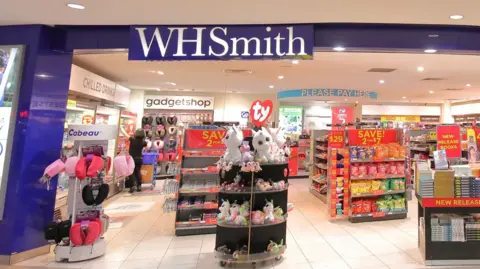
Following this accounting blunder, WH Smith announced a recovery plan related to “overpaid” bonuses, indicating a proactive approach to address the fallout. The upcoming overhaul involves a revamping of its stores by 2026, aimed at fostering a shopping experience characterized as “one-stop-shops,” combining travel necessities, food-to-go, and health and beauty products. This strategic shift underscores WH Smith’s commitment to adapt to changing consumer behaviors while enhancing its service offerings.
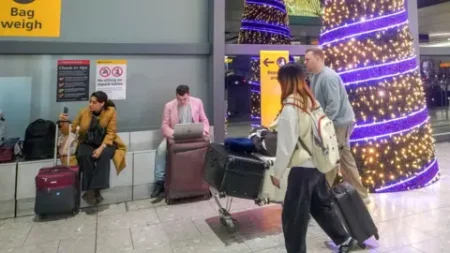
In recent years, the retailer underwent significant transitions, notably selling its 480 High Street outlets, which have since been rebranded as TG Jones by the new owner. WH Smith retained around 1,300 establishments located primarily in railway stations, airports, and other transport hubs, which form its core business. This restructuring seems to be part of a broader strategy to streamline operations and concentrate on more profitable ventures.
In its financial summary, WH Smith reported a pre-tax profit—excluding one-off costs—of £108 million for the year concluding in August. Despite this figure appearing positive on the surface, it was marred by the prior revenue inflation incidents, which are now subject to regulatory oversight. The FCA is particularly focused on whether the company adhered to its obligations concerning investor relations and transparency.
The ramifications of the accounting scandal extend beyond financial losses; it has undoubtedly affected WH Smith’s reputation in the marketplace. Shareholder confidence is at a low ebb, and restoring credibility will take significant effort. The board, acknowledging this need, emphasized a commitment to strengthening financial controls and governance.
As WH Smith moves forward, the investigation by the Financial Conduct Authority will likely scrutinize the company’s internal practices and whether adequate measures were in place to prevent such discrepancies. It highlights a critical aspect of corporate governance and accountability, reinforcing the necessity for transparency and ethical conduct in business operations.
In summary, the turbulence surrounding WH Smith reflects broader themes within the retail sector, where financial scrutiny and accountability remain paramount. The company’s pathway to recovery will demand not only a diligent corrective approach but also an innovative vision for adapting its services to a rapidly evolving retail landscape. As it navigates through investigative processes and strives to implement necessary reforms, WH Smith’s ability to regain stakeholder trust will play a crucial role in its future prospects.