
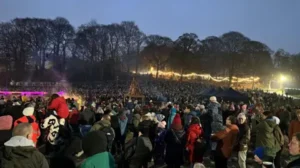


In a surprising shift in Scottish politics, the town of Whitburn in West Lothian recently witnessed a noteworthy electoral event. Reform UK, a political party led by Nigel Farage, celebrated a significant victory in a local council by-election, marking their first win in Scotland. This event comes on the heels of the party’s Christmas gathering, where they had much to toast beyond the festive season. Reform’s unexpected success underscores emerging political currents that suggest a growing dissatisfaction among the electorate with traditional parties.
The by-election victory occurred just months before the upcoming Scottish elections, typically a battleground for the Scottish National Party (SNP) and Labour. Despite this triumph, it is essential to contextualize such wins; the SNP and Labour dominate the West Lothian Council with a total of 26 out of 33 seats. Nevertheless, there is a palpable undercurrent of change as Reform UK seems to be garnering significant support, reportedly positioning themselves as contenders for second place behind the SNP in recent polls. This emergence suggests that they may secure a notable presence in the next Scottish parliamentary election.
Conversations with local inhabitants reveal a common sentiment: they are simply “fed up.” This phrase resonated with many as they expressed their frustrations with current political dynamics. Historically, Farage’s previous political ventures, including the UK Independence Party (UKIP) and the Brexit Party, struggled to gain traction in Scotland. However, Reform UK’s nascent popularity reflects a new chapter for Farage and his followers, providing hope for change among those disillusioned by the mainstream political landscape.
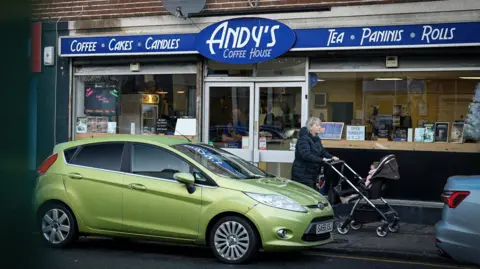
A significant portion of the town’s shifting political allegiance can be traced to the economic pressures afflicting everyday citizens. Local business owners, such as Andy Valentini from Andy’s Coffee House, shared their struggles with escalating costs, particularly rising electricity bills and increasing minimum wage requirements. Andy noted that his monthly electricity costs had surged from £300 to £900, which casts doubt on the sustainability of his business. Establishing a connection with these struggles, he expressed a desire for a substantial overhaul of existing political priorities, asserting that parties like Labour have historically undermined small businesses.
The growing concerns about economic conditions were echoed by other residents, including Darren Ainslie, who articulated that “everyone’s skint.” Darren, a local worker, echoed sentiments regarding uncontrolled illegal migration, voicing apprehensions about the ramifications of unregulated entry into the UK. This aligns with the Reform UK platform, which positions itself as a party intent on enforcing stricter migration controls, resonating particularly with constituents who feel unheard or neglected by existing political entities.
Yet, the sentiment towards Reform UK isn’t uniform. Resident Susan Snow, a retired nursery operator, expressed her discontent, especially regarding Nigel Farage’s character and intent. Her views reflect a segment of the populace that questions whether a right-wing shift might lead back to regressive policies reminiscent of earlier decades. This duality of opinion captures the complex landscape of feelings among the townsfolk towards political engagement.
During a brief exploration of Whitburn, it became evident that residents are increasingly frustrated with conventional political parties. The community is vocal about their disillusionment with perceived inadequate public services and ineffective governance. Specific grievances mentioned included issues concerning the National Health Service (NHS), road conditions, homelessness, and the management of asylum seekers. Such frustrations have led many to consider alternatives like Reform UK, but opinions vary widely regarding their suitability as a viable solution.
Although some former strongholds of the SNP are wavering in their support, as evidenced by voters moving towards Reform UK, it is essential to recognize the challenges ahead for the party. With the potential to disrupt the established political order, Reform UK is at the threshold of an unpredictable electoral landscape, compelling major parties to reassess their strategies and approaches. The coming months will reveal how this sentiment may shape the future of Scottish governance and party politics.