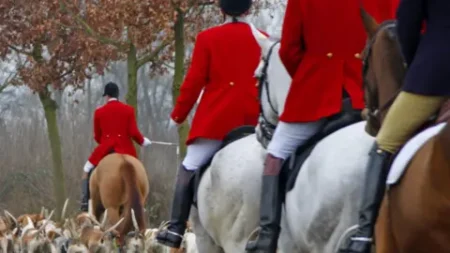


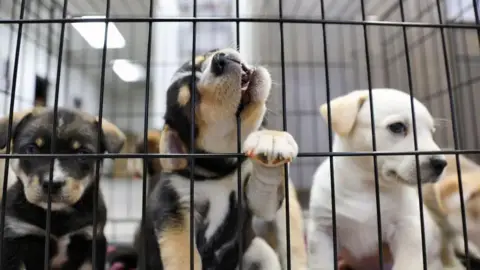
The government has recently announced a significant overhaul of its animal welfare policies, which includes a firm commitment to ban puppy farming and consider the prohibition of electric shock collars for dogs. This new initiative is part of a comprehensive animal welfare strategy set to be unveiled. The strategy is expected to align with Labour’s previous pledge, aiming to outlaw trail hunting, a traditional sport frequently criticized for its controversial practices.
Puppy farming is described as a breeding practice where profit takes precedence over the health and well-being of the animals. These breeders often keep numerous dogs in cramped conditions to maximize production, resulting in a concerning standard of care. The RSPCA (Royal Society for the Prevention of Cruelty to Animals) has expressed support for the proposed ban on puppy farming, highlighting the damaging impact it has on animal welfare. However, the Countryside Alliance has condemned the move to ban trail hunting, describing it as a further attack on rural traditions and practices.
Environment Secretary Emma Reynolds acknowledged the widespread debate surrounding the proposed hunting ban, noting that the method is sometimes used to mask illegal fox hunting activities. As part of the strategy, there will be extensive consultations regarding the ban on trail hunting, with the government committed to ensuring any legislation crafted will thoroughly address the concerns raised by various stakeholders.
Part of the strategy includes a pledge to reform dog breeding practices comprehensively, reflecting the government’s assertion that these measures represent the “biggest animal welfare reforms in a generation.” However, it is noted that the full implementation of this strategy may linger until the year 2030. RSPCA’s David Bowles has described the strategy as a potential “game-changer,” and the organization intends to partner with the government to ensure precise and effective legislation is established to close any loopholes.
The animal welfare agenda doesn’t stop with puppy farming. The government is also looking to amend farming practices concerning the use of cages for hens and farrowing crates for pigs. These confinement systems have come under increasing scrutiny from animal welfare campaigners. The initiative also encourages using slower-growing chickens, moving away from rapidly bred types commonly referred to as “Frankenchickens” by advocates for animal welfare.
Critics of the strategy have presented strong opposition. Tim Bonner, chief executive of the Countryside Alliance, voiced his discontent, suggesting the government’s focus on hunting issues is unnecessary and divisive. This sentiment was echoed by Conservative chairman Kevin Hollinrake, who branded the ban as an infringement on rural Britain and its cultural traditions, stating it unfairly penalizes lawful trail hunters.
Environmental groups and animal welfare advocates have cautiously welcomed the strides toward better animal treatment and protection. Anthony Field from Compassion in World Farming has praised the government’s commitment to enhancing farm animal welfare standards. The proposed legislation indicates a broader movement in the UK towards more humane practices in both breeding and farming, resonating with a growing public sentiment favoring animal rights.
To sum up, the government’s animal welfare strategy marks a critical juncture for animal rights in the UK. By targeting puppy farming, modifying hunting regulations, and reforming agricultural practices, the administration aims to reshape the treatment of animals profoundly. As the consultation periods and legislative processes unfold, the discourse will likely continue to stimulate impassioned debates among various groups, representing contrasting views on animal welfare and rural traditions.