
**Rachel Reeves Awaits a Critical Budget for Labour**
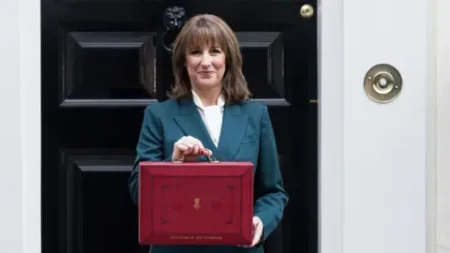
Chancellor Rachel Reeves is poised at a pivotal moment as she prepares to deliver the Budget, set for November 25, 2025. Known for its pivotal role in steering the nation’s financial fate, this year’s Budget comes with the added weight of temporal urgency for the Labour leadership. It is primarily aimed at addressing pressing issues—namely, cutting living costs, reducing NHS waiting lists, and lowering government debt relative to national income.
The upcoming Budget is not just another routine fiscal announcement; it represents a culmination of months of anticipation, speculation, and leaks, which have intensified dramatically since the summer. Reeves’ approach to the Budget presentation reflects a focus on what she deems “fair and necessary choices.” However, the term “necessary” may very well serve as an indication of the difficult decisions she is about to outline.
These decisions are complex, primarily involving a delicate balance between proposed tax increases and their potential adverse effects on living costs. While there may be elements such as frozen rail fares that could alleviate financial strain for some citizens, the broader implications of tax hikes pose considerable risk. Notably, failing to implement income tax rate increases may lead to a series of smaller hikes affecting specific groups, which could incite significant unrest reminiscent of last year’s backlash from the farming community over inheritance tax changes.
It is no secret that today’s political climate is fraught with challenges for the Labour Party. The party and its leaders, notably Prime Minister Keir Starmer and Chancellor Reeves, are acutely aware that they are currently skating on thin ice. Polling data suggests that the government’s popularity is alarmingly low, and both Starmer and Reeves face mounting pressure from a frustrated public grappling with economic stagnation and a rising cost of living.
As Labour MPs grow increasingly anxious, the mood within party ranks is undoubtedly tense. Many are growing weary of their leaders’ perceived ineffectiveness, with some openly predicting that this could be Starmer’s and Reeves’ last Budget, questioning their ability to steer the party and country toward a prosperous future. Statements from MPs, such as “This is the middle of the end,” and “I am on a four-year walk to the guillotine,” reflect a significant sense of foreboding regarding their chances in the next general election.
The intricate relationship between the government and its backbenchers stands at a precarious point; discontent among Labour MPs is palpable, and some even suggest reconsidering the annual Budget altogether. A Budget historically meant to plan and prioritize financial resources is now the focal point of impending dissent and potential leadership challenges.
Labour’s struggle is compounded by an apparent inability to present a united front or coherent vision. This situation is frustrating, particularly for loyalists within the party who feel torn between supporting leadership and addressing their constituents’ discontent. Reeves’ urgency in expressing hope for future Budgets indicates a growing awareness that her administration’s current phase may soon reach its conclusion unless positive changes materialize quickly.
The credibility of the government hangs in the balance as Reeves prepares her proposals, knowing that they must navigate the pitfalls of unpopularity while striving to keep Labour’s manifesto commitments intact. Addressing areas of concern while avoiding unnecessary tax burdens is a tightrope walk that could define her political legacy. Most crucial is the understanding that patience within both the party and the public is wearing thin, and any misstep could greatly jeopardize not just individual careers but the future of the Labour Party itself.
In essence, this Budget is more than just a fiscal statement; it is a potential turning point in Labour’s saga and an essential opportunity for Rachel Reeves to reclaim momentum at a time when the stakes have never been higher. Will she succeed in securing that elusive patience from her colleagues and the electorate, or will this be another chapter of trials and tribulations for a party in search of its identity and purpose? Only time will tell.