

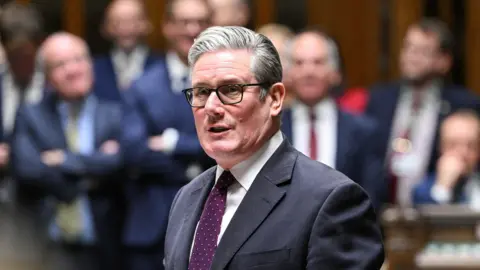
The upcoming King’s Speech is poised to take place shortly after the critical elections scheduled for May 7, 2025. This significant political event will feature Prime Minister Sir Keir Starmer outlining the government’s agenda for the next phase of its tenure. The anticipated date for the King’s Speech is reportedly set for May 12 or 13 of next year. The timing of this speech, which follows closely on the heels of elections across the United Kingdom, reflects the government’s strategic efforts to present its vision and priorities just days after the electoral outcomes.
The elections on May 7 will encompass a range of key positions as citizens cast their votes for various seats, including the Scottish Parliament, the Welsh Senedd, numerous council positions across England, and a limited number of directly elected mayoral roles. In particular, Labour is bracing for a challenging night, with many party members expressing concerns that the election results could prompt a leadership challenge against Sir Keir Starmer. As speculation grows regarding the potential ramifications of these elections for Starmer’s leadership, the King’s Speech will likely be a critical moment for his administration.
One government insider reportedly highlighted that the proximity of the King’s Speech to the elections could serve to mitigate challenges to the Prime Minister by emphasizing the government’s direction. The source expressed that it would present difficulties for opponents to contest the Prime Minister’s leadership when the Monarch is scheduled to unveil the government’s legislative agenda for the upcoming year. However, others within political circles claim that there is no inherent link between the timing of the King’s Speech and the potential threat to Sir Keir’s leadership. They reference historical precedents where the King’s Speech has coincided with local elections, including instances in 2022, 2021, and 2016.
The King’s Speech is a formal component of the State Opening of Parliament, a ceremonial affair that marks the initiation of a parliamentary session, which customarily spans one year but can extend longer. The current session has been notably prolonged, having commenced post the July 2024 general election. The speech itself is crafted by the government and delivered by the Monarch from a throne situated in the House of Lords, thus reinforcing the ceremonial significance of the occasion.
This address is pivotal as it delineates the government’s legislative priorities for the upcoming session, expressly detailing the bills the administration intends to advance. In the lead-up to the King’s Speech, Cabinet ministers begin the process of formally submitting their requests for legislation they wish to see incorporated into the agenda, usually around early October. Nonetheless, sources suggest that many ministers are already aware of the key legislative proposals that Sir Keir Starmer aims to include, indicating a level of pre-preparation and strategic alignment within the government.
In summary, the King’s Speech represents a crucial political touchpoint in the UK’s parliamentary calendar, especially given the proximity to the upcoming elections. The importance of the speech goes beyond its ceremonial nature, serving as an opportunity for the government to assert its legislative intentions while also potentially influencing the internal dynamics of the Labour Party, especially in light of any election-induced leadership tensions. The dual focus on immediate political outcomes and longer-term legislative strategies underscores the intricate relationship between electoral politics and parliamentary governance in the UK.