

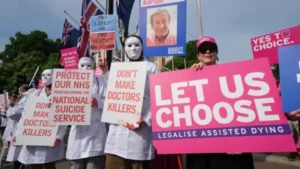

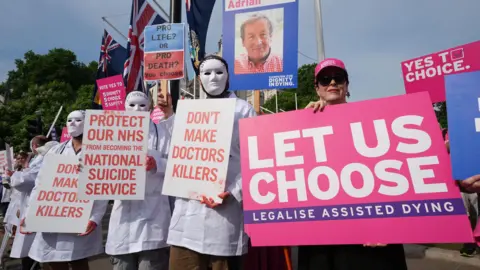
The ongoing debate regarding the assisted dying bill—formally known as the Terminally Ill Adults (End of Life) Bill—has heightened public interest and controversy in the United Kingdom. This proposed legislation aims to provide terminally ill adults in England and Wales with the option to seek assistance in ending their lives if they are diagnosed with a terminal illness and expected to die within six months. This contentious topic first made its way through the House of Commons over a year ago and has since faced scrutiny and heated debate as it moves into the House of Lords.
The bill was initially championed by Labour MP Kim Leadbeater, who introduced it in October 2024. This designation as a private member’s bill is significant, as it means it was driven primarily by a backbench MP rather than being initiated by the government. The proposed law would offer a legal pathway for those who choose to end their lives under carefully regulated circumstances. It underscores the delicate balance between compassion for suffering individuals and the ethical implications that accompany assisted dying.
In June 2025, the House of Commons ultimately approved the bill, allowing it to progress to the House of Lords where it is currently undergoing detailed examination. With 14 days allocated to its review, the House of Lords has already considered an unprecedented number of amendments—over 1,000—which many perceive to be a tactic to delay or obstruct the bill. These amendments are thoroughly scrutinized, with proponents and opponents of the bill passionately voicing their arguments.
Supporters argue that delaying tactics employed by some House of Lords members undermine the will of elected representatives who have already voted in favor of the bill. In contrast, opponents assert that the proposed legislation is severely flawed and that further amendments are necessary to safeguard against potential abuses and to ensure that vulnerable populations are adequately protected. Baroness Tanni Grey-Thompson, a prominent voice in this debate and a former Paralympian, emphasized that many amendments are essential to avert any coercion that might result from poorly defined legal standards.
Leadbeater, the MP advocating for the bill, contends that while she welcomes scrutiny, several proposed amendments appear unnecessary and, in some cases, cruel. For instance, suggested stipulations that individuals seeking assisted deaths must not have traveled abroad in the past year, or that the process must be filmed, seem excessively burdensome and intrusive.
Significantly, the fate of the bill remains uncertain as both Houses must agree on its final text before it becomes law. The session of Parliament is expected to end by spring, creating a narrow window for completion. Should the bill fail to pass both Houses before the session concludes, it will be extinguished and will need to be reintroduced in the next parliamentary session—this is typically a daunting prospect for similar bills.
The government, under Prime Minister Sir Keir Starmer, has taken a neutral stance. While previously expressing support for assisted dying, the Prime Minister has stated that the matter is regarded as a conscience issue, allowing individual MPs and peers to vote according to their beliefs rather than party lines.
Amid these complexities, certain MPs in favor of the bill have suggested invoking the Parliament Act, which might allow the bill to advance despite opposition from the House of Lords. This route remains controversial and would mark an unprecedented use of the act for a private member’s bill, adding another layer of debate to an already complex legislative process.
As the discussions evolve, there are significant implications for all parties involved, and the outcome remains to be seen. As passionate proponents and fervent opponents engage in an ongoing dialogue, it is clear that the issue of assisted dying will continue to be paramount in shaping the legislative landscape concerning end-of-life choices in the UK.