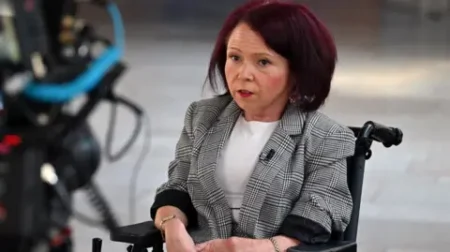




The recent discussion surrounding the upcoming vacancy for the Archbishop of Canterbury has taken an unexpected turn, notably highlighted by the comments of the Bishop of Gloucester, Rt Revd Rachel Treweek. Bishop Treweek, a prominent figure within the Church of England, has publicly stated that any bishop considering the role of Archbishop would need “their head reading.” This provocative remark underlines the gravity and the challenges inherent in leading a church currently grappling with issues of governance and accountability, especially in the wake of a severe scandal linked to historical cases of abuse.
Bishop Treweek’s commentary comes in the context of Archbishop Justin Welby’s announcement to resign following the release of a damning report concerning John Smyth, a former bishop implicated in widespread abuse of minors during the 1970s and 1980s. The report pointedly criticized Welby for his failure to take appropriate action when allegations of Smyth’s abuse were presented to him in 2013, an oversight described as “a missed opportunity” to bring the perpetrator to justice before his death in 2018. As the head of the Church of England, Welby leads not only a national body but also has a significant role among the global Anglican communion of over 85 million adherents across 165 countries.
During her interview with BBC Radio Gloucestershire, Bishop Treweek conveyed her belief that taking up the role of Archbishop is a daunting task. “This is a very, very difficult job – stepping into the structures that do need to change,” she warned. Her emphasis on introspection for potential candidates speaks volumes about the current state of the Church, suggesting that anyone desiring to undertake this pivotal position must confront the reality of its inherent challenges and expectations.
The resignation of Archbishop Welby was deemed “absolutely the right thing to do” by Bishop Treweek, who also remarked that the decisions leading to this point perhaps could have been made sooner. As the church moves forward, the process of selecting a successor is anticipated to be lengthy—likely taking at least six months—suggesting that the repercussions of these recent events will linger.
Bishop Treweek’s remarks also reveal a commitment to prioritizing the needs of abuse victims, stating emphatically that the focus must remain on those who have suffered due to inaction within the Church. She characterized the independent report as “absolutely sickening” and encouraged anyone who has been silenced or burdened by their experiences to reach out for support through their local diocesan safeguarding teams. This point underscores her belief in the need for systemic changes within the Church of England, particularly its governance structure, which she described as “clunky” and inefficient. According to Bishop Treweek, quick decision-making is imperative, as the existing layers of oversight hinder the Church’s ability to respond effectively to crises.
Bishop Rachel Treweek holds a significant place in church history and was consecrated as the 41st Bishop of Gloucester in 2015. She made history as the first female diocesan bishop and the first female bishop in the House of Lords, making her insights and recommendations for the future direction of the church particularly poignant in the current climate of reform.
Her advocacy for victims, combined with her vocal concerns regarding the leadership roles within the Church, weaves a narrative of urgency and unresolved issues that must be addressed if the Church is to regain the trust of its members and the general public. As the Church wades through these challenging waters, it remains evident that the road to recovery and revitalization will require careful reflection and decisive action from its leaders.