



### TikTok Takes Action Against Fake AI-Generated Weight Loss Ads
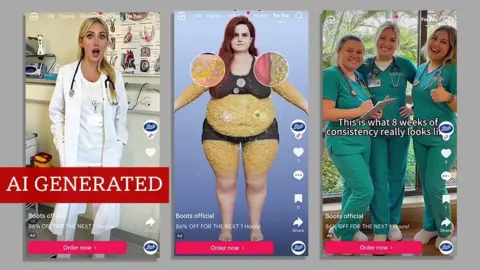
In recent news, TikTok has taken significant steps to remove misleading advertisements for weight loss drugs that were being promoted by a fraudulent account posing as Boots, a prominent health and beauty retailer in the UK. The removal followed complaints from Boots regarding these deceptive ads, which showcased confident and smiling healthcare professionals misguidingly representing prescription-only weight loss medications.
### The Nature of the Ads
The content of these ads was fabricated using artificial intelligence (AI), deceiving viewers into believing they were legitimate endorsements from the well-known retailer. In the UK, it is illegal to publicly promote prescription-only medication without necessary regulations and oversight. The presence of these misleading ads on a platform popular among the youth raised serious concerns regarding consumer safety.
A spokesperson for Boots confirmed their awareness of the problematic videos and stated that they had lodged a complaint with TikTok, which prompted the platform to take down the offending videos swiftly. However, despite the removal of the ads, the fraudulent account, seemingly based in Hong Kong, managed to continue its operations by re-uploading the same deceptive content. Following this new instance of fraud, TikTok was notified again, leading to the eventual deletion of the user account in question.
### Broader Implications and Concerns
Weight-loss drugs have recently become accessible through the National Health Service (NHS) in England, but they require a prescription and are subject to stringent eligibility criteria. The counterfeit account, prior to its removal, directed users to a shadowy website that purportedly sold these weight-loss medications. The site featured testimonials from supposed customers and healthcare professionals, which were either generated by AI or pilfered from genuine sources.
The deceptive videos portrayed health workers seemingly consuming a vial of blue liquid, followed by a significant transformation that depicted dramatic weight loss over time. This type of exploitation raises critical questions about the integrity and ethical responsibilities of social media platforms. AI expert Sam Gregory noted that the latest AI advancements make it alarmingly simple to create convincing videos and images, thereby complicating the detection of fraudulent content.
### Risks Associated with Unsanctioned Sources
The potential dangers of purchasing medications from unauthorized sources extend beyond just financial loss; they pose serious health risks as well. The Medicines and Healthcare products Regulatory Agency (MHRA), the UK governmental body that ensures the safety of medicines and medical devices, explicitly warns that weight loss drugs should only be procured from registered pharmacies with appropriate prescriptions. Acquiring these substances from unregulated sources carries the risk of consuming counterfeit or harmful products, which could lead to dire health consequences.
Boots reiterated that they only engage in advertising through their verified social media account, @BootsUK, and warned against following any accounts that mimic their branding. The counterfeit website was cautioned against by the MHRA, highlighting the inherent dangers in purchasing drugs from unverified sources.
### TikTok’s Commitment to Safety
In response to the alarming trend of misleading AI-generated advertisements, TikTok has committed to enhancing its detection methods for such content. The platform has affirmed its policy of prohibiting the depiction, promotion, or sale of controlled substances. As the digital landscape evolves with technological advancements, the challenge remains for major platforms like TikTok to remain vigilant against scams that breach their terms of service.
This incident serves as a reminder about the potential harms of misinformation and the responsibility of both platforms and consumers to navigate the digital space cautiously.
#### Conclusion
Overall, the removal of these AI-generated weight-loss ads underlines the need for increased vigilance and regulation in the realm of social media advertising. As technology continues to advance, users must remain informed and critical of the content they encounter online, particularly when it involves health products and services.