

**Russia Confirms Capture of British Soldier Fighting for Ukraine**
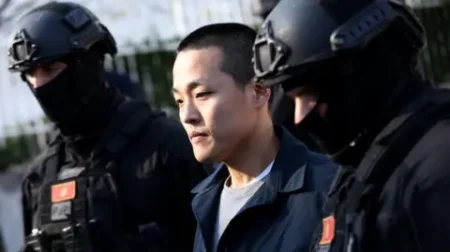
In a significant development amidst the ongoing conflict in Ukraine, a Russian court has officially confirmed the capture of a British man allegedly involved in combat activities for Ukraine. The individual is identified as James Scott Rhys Anderson, a 22-year-old former soldier of the British Army who reportedly served in various capacities from 2019 until his departure in 2023. His capture took place in the Kursk region of Russia, an area that has seen heightened military activity as the Ukraine-Russia conflict continues to unfold.
A video that surfaced online recently features Anderson dressed in military attire, where he reveals his identity and affiliation. The court proceedings that followed led to a decision to detain Anderson, with authorities claiming that he had engaged in hostilities on Russian soil. The incident is particularly notable as it emphasizes the international dimension of the conflict, showcasing how individuals from various nations are becoming embroiled in the violence.
The context of Anderson’s capture is crucial. Just a day after a surprising incursion by Ukrainian forces into the Kursk region on August 6, 2023, Anderson was taken into custody. This Ukrainian military operation was part of an ongoing effort to reclaim territory that has been in conflict since Russia’s invasion of Ukraine. The detailed circumstances surrounding Anderson’s involvement, however, remain murky, as questions arise about the legal and ethical implications of foreign nationals participating in foreign conflicts.
Further details disclosed during the court hearing indicate that Anderson hails from Banbury, Oxfordshire. It was stated that he is under suspicion of committing serious crimes that endanger public safety. Notably, even though Anderson’s case is being actively pursued in court, there are provisions in place for potential appeals, which could affect the length and outcome of his detention.
The emotional turmoil surrounding Anderson’s case is palpable. His father, Scott Anderson, has publicly expressed his concerns, revealing how he fervently advised his son against traveling to Ukraine. The family’s fears were amplified when the father was sent the unsettling video of his son’s captivity, which left him “in complete shock and tears.” He highlighted that despite his fears of torture, his son left for Ukraine believing he was doing the right thing in the context of the ongoing war.
In the video that circulated on social media platforms like Telegram, Anderson explains that after losing his job, he decided to join Ukraine’s International Legion. This military unit comprises foreign volunteers who enlist to assist Ukrainian forces against the Russian invasion. Anderson specifically mentioned that he traveled to the Ukrainian border after flying into Krakow, Poland, from Luton, indicating the lengths individuals might go to engage in this complex and perilous conflict.
The International Legion, established by the Ukrainian government following Russia’s aggressive move in 2022, offers promises of contracts and compensation. Recruits can expect payment ranging from £440 (approximately $550) to £3,800 (around $4,800) per month, contingent upon their level of combat engagement. This financial incentive, coupled with a desire to contribute to a perceived moral cause, has encouraged various individuals from distinct backgrounds to take up arms in Ukraine.
In response to the unfolding situation involving Anderson, UK Foreign Secretary David Lammy assured the public that the government would provide all necessary support to the detained national. This marks a continuation of the UK’s involvement in international advocacy for its citizens while also navigating the complicated web of geopolitical affairs linked to the Ukraine-Russia conflict.
As the situation develops, the implications of foreign fighters participating in such conflicts raise critical questions about international law, the ethics of intervention, and the human experiences that emerge in the backdrop of war. Anderson’s fate remains uncertain, emblematic of the wider themes of sacrifice, duty, and the personal ramifications of global conflicts that resonate with families and nations alike.