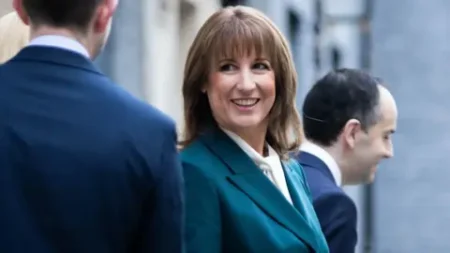




The recent announcement of the UK Budget by Chancellor Rachel Reeves has stirred significant conversations around tax implications for individuals across various income brackets. The Budget, laden with reforms aimed at addressing economic challenges, has drawn mixed reactions reflecting the diverse impact on the population, particularly regarding taxation and living costs.
One of the noteworthy changes in the Budget includes a freeze on income tax thresholds until the year 2031. This measure is projected to affect many individuals, including Deborah Crowley, a 63-year-old NHS administrator earning £20,000 annually. Currently residing in Sheffield with her son, Deborah expressed relief over some aspects of the Budget, particularly the introduction of a mansion tax on homes valued over £2 million, which she believes will contribute positively to the NHS and local communities. However, she is particularly concerned about the extended freeze on tax thresholds, fearing it will lead to what she termed a “back door tax increase.”
The importance of taxation thresholds has become paramount as analysis from accountancy firm EY indicates that individuals like Deborah could incur significantly higher taxes, estimated at £871 more between 2028-29 and 2030-31, particularly if wages rise in line with inflation. This sentiment is echoed by many across different income levels, casting a shadow over the perceived benefits of the Chancellor’s fiscal measures.
Eduardo Stead and his wife declined from commenting in detail in this article, but other voices echoed similar frustrations. The couple, both working in administration and achieving a combined income of about £100,000, have voiced disappointment regarding the reduction in the tax-free cash savings allowance from £20,000 to £12,000 for those under 65, reflecting a longing for clearer support pathways to secure their future. Such sentiments arise in light of overarching concerns about rising living costs, despite recent efforts to address them through lowered energy bills.
The Budget’s announcement has also highlighted issues affecting individuals with longer-term social benefits, including Kat Watkins, a charity worker in Swansea living with disabilities. While she perceived some positives in ending certain energy levies and supporting lower bills, she lamented the recent cuts to the Motability scheme, which she feels stifles opportunities for those requiring specialized vehicles. Her specific needs underline the challenges faced by vulnerable groups further marginalized by fiscal constraints.
Critics of the Chancellor have emerged, with Steve Williams, an IT contractor sharing his view on the per-mile charge for electric vehicle (EV) usage. Despite being supportive of sustainable initiatives, he expressed frustration at what he perceives as an unfair penalization of EV drivers after being encouraged to adopt such environmentally friendly technologies. His concerns reflect a broader anxiety about financial pressures facing drivers who opted for greener alternatives.
Overall, the consensus appears to be a mixture of cautious optimism and underlying discontent as families, young professionals, and individuals navigate the chaotic fiscal landscape. Wesley Thorne, a small business owner nearing Bristol, voiced that the challenges they face have never been greater, and he finds little support from the government as their costs continue to “squeeze” their earnings.
Fatima Tehan Jalloh, a single mother living in North London, shared her disappointment over the lack of support for childcare costs and general cost-of-living awareness in the Budget. Her frustrations run deep as she considers the likelihood of moving to seek better living conditions, reflecting a troubling perspective among constituents who feel unrecognized within budgetary concerns. Her sentiments resonate well throughout a majority of audiences engaging in the proposed changes.
In conclusion, as Chancellor Rachel Reeves unveiled her Budget, it appears she was met with a medley of reactions from constituents across the income spectrum. These reactions highlight the complexity and sensitivity surrounding tax-related decisions and the profound implications they can have on daily lives. The effects of policies introduced in this Budget will undoubtedly play a significant role in shaping individuals’ financial futures as they navigate a path through economic uncertainty.