


The political landscape in the UK is currently marked by turbulence, as reflected in the media coverage surrounding Chancellor of the Exchequer Rachel Reeves and the looming threat of significant public spending cuts. Tension is palpable within the government ranks as questions arise about Reeves’s future and the effectiveness of the current fiscal strategy. This situation has been captured vividly in a range of headlines across various newspapers, each presenting its unique angle on the unfolding drama.
The Daily Telegraph has positioned Chancellor Rachel Reeves at the forefront of its narrative, claiming that Prime Minister Keir Starmer has cast doubt on who will remain in key government positions as the round of economic challenges intensifies. With the British pound witnessing a decline and government borrowing costs rising steadily, the heat is turned up on Reeves, who has found herself under serious scrutiny. Starmer’s dual refusal to affirm Reeves’s role has further fueled speculation. However, a government spokesperson quickly attempted to quell the rumors, asserting that Reeves would continue her tenure as Chancellor.
Meanwhile, the Daily Mail has drawn attention to a metaphorical representation of the treasury being “in turmoil”, coining Reeves and her deputy, Tulip Siddiq, as “two lame ducks.” The backdrop to this assertion is an economy marked by stuttering growth rates and soaring government borrowing costs. Siddiq herself has been embroiled in controversy over potential ethical issues stemming from her ties to a political movement in Bangladesh. Nevertheless, she has asserted her innocence in the matter, insisting that she has committed no wrongdoing.
Rounding out the coverage, the Daily Star referenced a previous viral campaign where an iceberg lettuce was pitted against then-Prime Minister Liz Truss to see which would last longer in their respective roles. The paper whimsically asked whether it might soon need to conduct a similar comparison with Reeves, particularly after the Prime Minister’s recent robust backing of her in the face of critical media coverage.
On a more serious note, the Guardian reported that the government is eyeing “ruthless” public spending cuts as officials seek billions in savings to restore fiscal balance. Starmer reportedly indicated that sweeping changes to public services would be part of the discussions on future spending reviews, with Chief Secretary to the Treasury Darren Jones expected to address ministers accordingly. The implications of these potential cuts have raised alarms, particularly among various public advocacy groups, who fear the consequences could be severe and detrimental to vulnerable populations.
Adding to the conversation of austerity measures, the i highlighted that “nothing is off the table” when it comes to evaluating potential cuts. This statement includes scrutinizing the benefits bill, a trigger that is likely to provoke strong reactions from campaigners advocating for social welfare. The potential reductions raise concerns that essential public services could suffer, exacerbating existing societal hardships.
Specific human stories have also emerged against this backdrop, as evidenced by the Daily Express’s headline concerning a farmer, Ro, who expressed his fear regarding the future of his family’s livelihood amid government policies affecting inheritance tax relief for farms. The impact of such fiscal strategies extends beyond the abstract budgetary discussions into the personal lives of citizens.
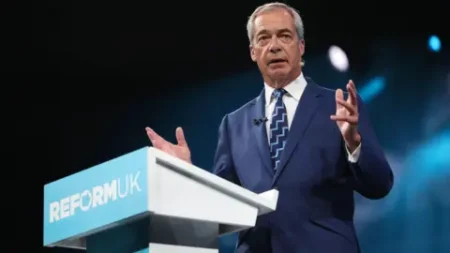
Furthermore, the Times reports on polling indicating a shift in voter allegiance, suggesting that Labour’s support may be declining while Reform UK emerges as a formidable contender among voters. This shift could spell significant ramifications for the Conservative Party, as they struggle to reclaim their footing amid internal rifts and external pressures.
In the realm of criminal justice, the Metro’s striking portrayal of Ryan Wellings—a convicted perpetrator of domestic violence—serves as a morbid reminder of the failings within the justice system, especially in cases of women’s safety.
Caught in the crossfire is Angela Dawes, mother of Kiena Dawes, who lamented her daughter’s tragic fate and the court’s decision not to convict Wellings for manslaughter. Her emotionally charged statements underscore the broader public concern related to domestic violence issues and the need for systemic change.
The Financial Times has shifted focus to geopolitical developments, asserting that some EU shipyards continue to repair Russia’s Arctic gas tanker fleet, despite sanctions designed to eliminate reliance on Russian energy. This contradiction underscores the complexities within the EU’s energy policy and the existing dependencies that challenge the bloc’s efforts to phase out Russian gas.
Collectively, these narratives paint a vivid picture of a nation grappling with fiscal policy, political accountability, and personal tragedies amid high-stakes governmental decisions. As the situation unfolds, the palpable tension surrounding fiscal responsibility and its implications on everyday lives continues to resonate deeply within UK society.