

The ongoing political landscape in England is currently embroiled in controversy, particularly involving delays in local council elections due to significant governmental reforms. Tensions are mounting as various parties engage in a blame game concerning the implications of the Labour Party’s proposed overhaul of local governance. This shake-up represents a critical juncture in the approach to local governance in England, where future elections scheduled for May may now be postponed until 2027 if certain councils officially request such delays by mid-January.
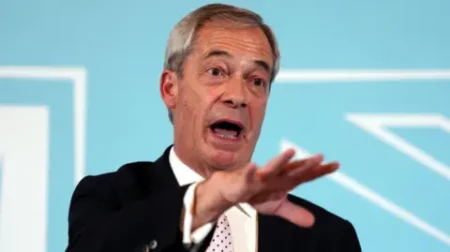
Originally slated for May 2025, elections in nine specific areas have already been deferred, further complicating the political climate. This situation has prompted criticism from various political figures, notably Nigel Farage, the leader of Reform UK, who contends that Labour and the Conservatives are colluding to stifle his party’s opportunity for growth within the electoral framework. Farage’s comments highlight the depth of the discontent among parties not in power, reflecting an apprehension regarding the potential shifts in civic control.
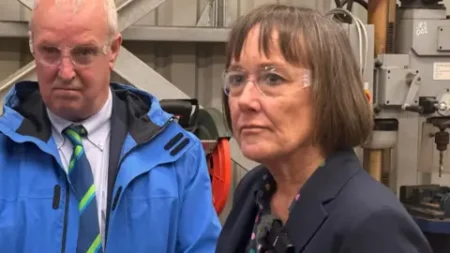
The government has taken an assertive stance, asking all 63 councils impacted by the restructuring to assess whether they need to delay the elections. Local Government Minister Alison McGovern has confirmed that several authorities are expressing their concerns about executing resource-heavy elections amid the expected transitions. Such acceptance of delay requests stems from resource-related challenges and the financial burden incurred by conducting elections in councils that are set to be dissolved—issues that many local authorities have found troubling. Despite the request for postponing elections, McGovern indicated that only a “minority” of councils are formally seeking this extension.
Political pushback against these proposed postponements has been significant, evidenced by a strong critique from Paul Holmes, the shadow local government minister for the Conservatives. Holmes has characterized Labour’s local governance reorganization as “rushed and deeply flawed,” leveling accusations that the governing party is pausing the democratic process to favor their political ends. Such criticisms underscore the complexities and challenges that arise when significant reorganization efforts are introduced into the political milieu.
As the discussions surrounding election timelines intensify, the effects on voter engagement and representation are rapidly becoming focal points of the debate. Delaying elections may result in some councillors serving an unprecedented tenure of seven years without being presented before their constituents, which raises valid concerns about voter representation and democratic processes within local governance. Additionally, elections for new mayors in regions such as Greater Essex, Norfolk, Suffolk, Hampshire, and Sussex have also been pushed back, compounding the prevailing uncertainties affecting the political landscape.
Current statistics reveal that Labour presides over a majority in 18 councils among the 63 under review, with the Conservative Party maintaining influence in nine and the Liberal Democrats in seven. However, the Conservatives find themselves in a precarious position defending over 1,400 council seats, equating to approximately a quarter of the total that are due for re-election in the approaching May elections.
The debate surrounding the possible delay of elections has sparked sharp commentary from Farage, who likened the postponement of democratic processes to the actions seen in “banana republics,” suggesting a detachment from the principles of fair governance. This sentiment resonates powerfully within the broader discourse on civil engagement and accountability, as leaders weigh their responsibilities against the backdrop of the reorganizing governmental structure.
Finally, Conservative leader Kemi Badenoch articulated her personal reservations about the potential delays while asserting her respect for the autonomy of council leaders to make determinations based on their local contexts. In a remark reflecting the broader political ethos, she emphasized the importance of listening to elected officials who are pledging to represent their local communities. The anticipated turbulence in local elections underscores the fragile nature of democracy and governance in such transitional periods.