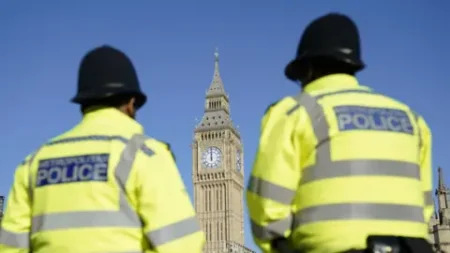



In a significant initiative, the Prime Minister has announced a commitment to assign named police officers to every neighbourhood across England and Wales. This pledge is set to be a cornerstone of Sir Keir Starmer’s upcoming “plan for change,” which aims to tackle various pressing issues including the economy, housing, the National Health Service (NHS), policing, and early childhood education. By establishing a personal connection through a designated officer, the government intends to strengthen community ties and increase public trust in law enforcement.
Home Secretary Yvette Cooper has announced that an additional £100 million will be allocated next year to fund the recruitment of 1,200 new police officers. This move is in line with the government’s broader goal of hiring 13,000 new neighbourhood police officers throughout the current parliamentary term. However, the announcement has been met with skepticism, particularly from Conservative party representatives who argue that only a third of these new recruits will be fully-fledged police officers. They also claim that the overall initiative lacks adequate financial backing.
Cooper emphasizes that this pledge transcends merely boosting police numbers; it is about “rebuilding the vital connection between the public and the police.” The idea is that officers should become integrated members of the communities they serve. She articulates that a visible police presence in every neighbourhood can fundamentally restore the trust and partnership essential for enhancing public safety. The fundamental premise is that with more approachable police, citizens will feel more secure and willing to cooperate with law enforcement.
It’s important to note that the concept of assigning named officers to communities is not entirely new; several police forces have already adopted this practice. However, critics argue that establishing a single contact point without ensuring their availability could lead to further disenchantment among citizens. They point out that while visible patrols do not significantly decrease crime rates, they can enhance public confidence in the police force.
The initial commitment to recruit 13,000 additional police officers, Community Support Officers, and special constables was originally part of Labour’s electoral manifesto. The initiative has garnered support from the Police Federation of England and Wales, which represents officers, yet it has issued stern warnings about the prevailing low morale among the police force due to declining salaries in real terms. A recent survey conducted by the federation revealed that 22% of the respondents are contemplating leaving the force within the next two years, highlighting concerns over job satisfaction.
Police numbers saw a decline after the 2010 elections but began to recover post-2019 following a Conservative pledge to hire 20,000 additional officers. While the overall count of police officers has hit record levels, the numbers of Community Support Officers and special constables have continued to dwindle, raising questions about the structure of police services and community support.
In response to the government’s announcements, Conservative Shadow Home Secretary Chris Philp criticized Sir Keir Starmer’s assurances, claiming that the leader’s pledge to recruit an additional 13,000 officers is misleading. Philp contends that the actual recruitment number stands at 3,000 and reiterates that the funding outlined for this initiative is far from secure. He highlighted that the Conservative government has, in fact, successfully recruited over 20,000 police officers and allocated an additional £922 million towards policing this year, ensuring the protection of the public.
As the conversation surrounding the police reform unfolds, it is clear that while the intentions may be well-placed, the practical realities such as funding, officer morale, and community engagement will play critical roles in the success of this initiative. The upcoming developments will undoubtedly shape the future landscape of policing within communities in England and Wales.