


**France to Intercept Small Boats Following Pressure from the UK**
In a significant shift regarding immigration policy, France has made an announcement that it will begin intercepting small boats attempting crossings in the English Channel. This change follows extensive diplomatic pressure from the United Kingdom, particularly from the office of UK Prime Minister Sir Keir Starmer. According to a report from Le Monde, the Prime Minister emphasized the urgency of this policy, noting that there was currently “no effective deterrent” to prevent unauthorized crossings.
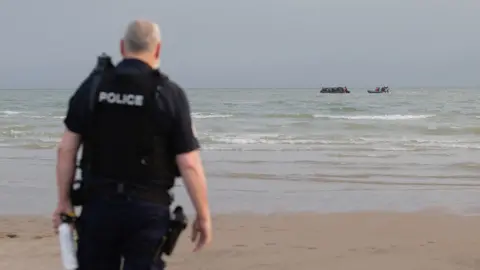
The newly adopted policy will allow French security forces to engage with vessels at sea, specifically before they are able to take on passengers. The French maritime police have confirmed this to media outlets, including the BBC, indicating a proactive approach to managing channel crossings, a sensitive and often dangerous issue. In the past, French authorities have been hesitant to intervene, citing safety concerns for both officers and civilians involved in such operations.
Earlier, Sir Keir Starmer sent a formal letter to French President Emmanuel Macron urging the latter to support interventions aimed at disrupting illegal crossings. The letter explicitly stated the need for this change to enhance maritime security and reduce the risks associated with these perilous journeys across the Channel, which are often undertaken by desperate individuals seeking asylum or a better life.
A spokesperson for the French maritime police explained that while the decision to intervene at sea marks a significant progression, there are still concerns and limitations. Notably, the use of physical nets—previously considered to incapacitate the engines of small vessels—has been categorically ruled out, which emphasizes the commitment to preserving human life during these interactions. Instead, the focus will be on preventative measures to intercept boats before individuals embark on their dangerous journeys.
This policy reversal is especially relevant given the historical context. An assertive approach was briefly implemented in the summer of this year under former Interior Minister Bruno Retailleau, but this strategy was not sustained after he vacated the position. The urgency for such actions was highlighted during a summit earlier this summer, where instances of French police intervening physically—in some cases, even slashing the sides of boats—were reported.
In the present circumstances, while the plan to intercept boats can be characterized as a step forward, operational details remain ambiguous. There are ongoing challenges, such as adverse weather conditions which are currently hindering the execution of the interception plan. Moreover, smuggling networks are notorious for quickly adapting to enforcement measures, suggesting that these criminal organizations may find new methods to evade interception.
UK officials are expressing optimistic support for this development. A representative from the UK government stressed their commitment to ongoing collaboration with French authorities to address the challenges posed by illegal migration across the Channel effectively. This alignment underscores a shared responsibility between the two nations in tackling the complexities of migration and border security.
As various stakeholders absorb this news, the implications stretch beyond immediate operational adjustments; this policy might signal a broader diplomatic engagement between the UK and France regarding migration, security, and humanitarian concerns. The landscapes of immigration policy and law enforcement, particularly in the context of shared borders, continue to evolve, necessitating constant adjustments from all involved parties.
In conclusion, France’s decision to adjust its policy around intercepting small boats in the English Channel could alter the dynamics of cross-border migration significantly. With effective implementation, this initiative may strive to not only deter illegal crossings but also to ensure that humanitarian considerations remain at the forefront of any such enforcement actions.