



**Political Turmoil in Georgia: A Growing Crisis of Confidence**
In recent days, Georgia has witnessed a surge of public discontent that has manifested in widespread protests and high-profile resignations amid increasing tensions between the government and its citizens. The turmoil primarily stems from the decision of the ruling party, Georgian Dream, to suspend discussions about the country’s potential accession to the European Union, a move that has ignited fury across various segments of society. With multiple cities, including the capital, Tbilisi, witnessing large-scale demonstrations, Prime Minister Irakli Kobakhidze has emphatically denied any wrongdoing, suggesting that these protests are the results of opposition propaganda aimed at destabilizing the nation.
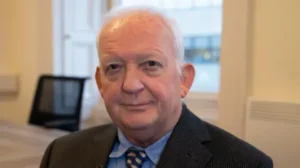
Reports indicate that senior officials, including Georgia’s ambassador to the United States, David Zalkaliani, have resigned due to the mounting pressure from ongoing protests. This growing wave of dissent signifies a turning point for Georgia, as individuals from all walks of life, including civil servants and educators, have taken a firm stand against the government’s recent actions. Protesters have expressed their frustration over the administration’s apparent shift away from democratic norms and human rights, with accusations surrounding the increasing authoritarianism of the ruling party becoming increasingly vocal.
At the heart of the protests, demonstrators are rallying against what they perceive as a betrayal of Georgia’s aspirations to join the EU and NATO, which the constitution mandates should be pursued as a priority. The ruling party, however, has referred to discussions about joining the EU as a form of “blackmail” on the part of European officials and has effectively sidelined the issue until at least the end of 2028. This stance has raised questions regarding the government’s commitment to European integration, leading the population to doubt whether their leaders genuinely support the country’s path towards EU membership.
Many observers, including former EU ambassador Natalie Sabanadze, have suggested that the intensity and violence associated with the protests signal a significant shift in public sentiment. Reports of police brutality against journalists and protesters have sent shockwaves throughout the nation, prompting human rights advocates to decry the government’s approach to dissent. The growing number of casualties, with dozens of reporters facing physical assaults during coverage, have underscored a climate of fear among those working to uphold freedom of expression and independent journalism.
Concurrently, Salome Zourabichvili, Georgia’s pro-Western president, has emerged as a central figure rallying opposition against the government. Her calls for new elections reflect the dissatisfaction among a majority of the populace, who fear a return to Russian influence under the current administration. In a country where approximately 20% of its territory is occupied by Russian military forces in breakaway regions, the stakes are particularly high, and the populace remains largely united in their desire to join the EU.
As the protests continue, the government finds itself in an increasingly tenuous position. The resignation of key diplomats and the dissent from civil organizations illustrate a growing disconnect between the ruling party and citizens desperate for change. While the prime minister maintains a defiant stance, asserting that Georgia remains committed to its European aspirations, the palpable anger on the streets suggests that the public may not be willing to accept empty promises or the status quo.
In the midst of the turmoil, cleaners have been tasked with removing graffiti from the walls outside the Georgian parliament, symbolizing the gravity of the situation. Vandalism of government property serves as a stark reminder of the public’s discontent and desire for accountability. As the political crisis in Georgia unfolds, the future will ultimately rely on the government’s ability to navigate this turbulent landscape, reconcile with civil society, and restore trust in the country’s democratic institutions.
In conclusion, Georgia stands at a crossroads. The interplay between governmental authority, public dissent, and aspirations for European integration continues to complicate the political landscape. The outcome of this unrest will not only determine the future of the ruling party but also shape the trajectory of Georgia’s relationship with the West and its pursuit of democratic governance. The coming weeks will be critical for both the government and the opposition as they confront the challenges ahead in an environment marked by uncertainty and fervent civic engagement.