


In a significant political development, Communities Minister Gordon Lyons has publicly advocated for the restoration of the universal winter fuel payment. This announcement comes in the wake of increasing political pressure and a recent decision by Prime Minister Sir Keir Starmer to reconsider previous cuts to these crucial payments. Speaking on the matter, Lyons emphasized that merely expanding eligibility would not suffice and called for a full reinstatement of the universal winter fuel payment, which is aimed at providing financial relief to every pensioner in Northern Ireland.
The winter fuel payment program, initially set up in 1997, was designed with the intent of assisting elderly citizens with their winter heating expenses. However, last year, a shift in policy led to restrictions that rendered approximately 250,000 individuals in Northern Ireland ineligible for this financial support, following a directive from Westminster to adopt a means-testing approach. This change was met with widespread criticism, as it eliminated support for those who might have needed it most, particularly during the harsh winter months.
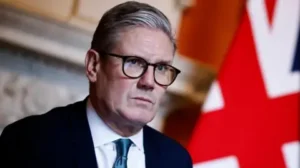
Recently, amidst vocal opposition, Prime Minister Starmer acknowledged the mistake of implementing such drastic cuts. Welcoming this acknowledgment, Lyons advocated for the return of the universal winter fuel payment, emphasizing that it protects all pensioners across the region, irrespective of their financial circumstances. This push reflects the need for a safety net that can adequately cover the basic heating costs during winter, allowing elderly residents to maintain their comfort and health during potentially perilous weather conditions.
In a conversation with BBC News NI, Lyons articulated his awareness of the complexities that come with administering benefits and the challenges of means testing. He expressed that the reinstatement of the universal payment would not only alleviate the administrative burden on the government but also significantly reduce stress for elderly individuals who have faced uncertainty regarding their financial support over the past year. “The best and simplest way to do this is to reinstate this in full,” he stated, conveying the urgency of addressing the needs of vulnerable populations.
Last year, Lyons managed to secure additional funds amounting to £17 million during a monitoring round at Stormont, which facilitated a one-off £100 payment directed towards pensioners adversely affected by the policy changes to winter fuel support. This temporary relief underscored the ongoing struggle faced by many elderly individuals in Northern Ireland, who rely on such assistance for their basic needs.
The implications of ending the universal winter fuel payment are profound, particularly in a region like Northern Ireland, where many households are grappling with economic strain. According to data, around 180,000 households in Northern Ireland have already lost access to these payments following the restrictive measures. With the Chancellor, Rachel Reeves, announcing that winter 2024 will be the first year pensioners in England and Wales will not receive the payment, Northern Ireland found itself compelled to follow suit. This has intensified the call for reform and greater support from local authorities, with Lyons leading the charge.
Moreover, as the political landscape shifts and pressures mount, it remains to be seen how the Labour government will respond to Lyons’ calls. What is clear, however, is that the potential return to a universal payment system would not only support older citizens but also signal a collaborative effort to rectify past missteps in social welfare policies. Lyons’ campaign for the reinstatement of this payment is a critical issue that affects not only individual recipients but society at large, as it aims to ensure that no elder citizen suffers undue hardship during the colder months.
In drawing attention to his advocacy for these payments, Lyons has highlighted an essential debate surrounding economic support structures and their efficacy in delivering needed assistance to vulnerable populations. As the political discourse around this topic continues, the outcome will be pivotal not only for the pensioners of Northern Ireland but for the broader principles of social welfare in the region.