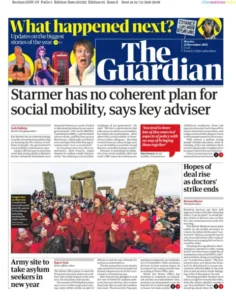


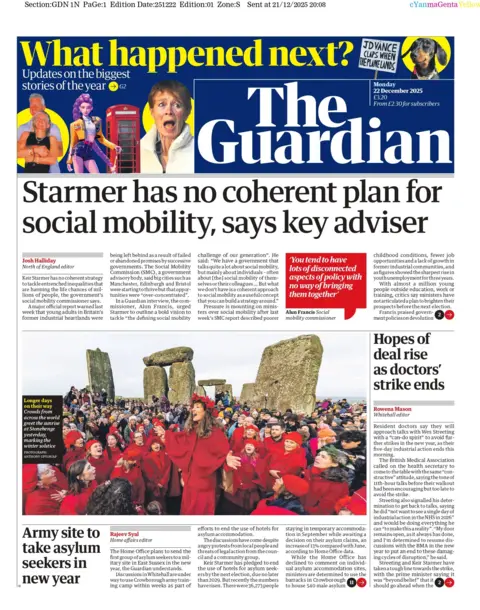
In a recent interview covered by the Guardian, Alun Francis, the government’s social mobility commissioner, expressed grave concerns regarding the current lack of a cohesive plan for social mobility within the UK. He emphasized that the government is missing what he termed an “overarching narrative,” which would effectively unite the various strands of social mobility policies. Francis urged Labour leader Sir Keir Starmer to carve out a more definitive strategy to address the growing disparities in social mobility, raising alarms over the stagnation of progress on this critical issue.
This sentiment has uncovered a deeper, ongoing discussion surrounding the effectiveness and clarity of government initiatives aimed at enhancing social mobility. As criticisms mount, the urgency for an integrated approach to tackle inequalities becomes more pronounced. Starmer’s government faces the critical task of not only creating comprehensive policies but also communicating these plans clearly to the public to establish trust and accountability.
On a different note, the entertainment landscape has also seen its fair share of drama, particularly involving the hit BBC show “Strictly Come Dancing.” Recently, former contestant Thomas Skinner’s claims regarding a “rigged” vote during his elimination have been met with skepticism. The Daily Mirror reported that a new poll revealed Skinner as the least popular dancer, leading to questions about the validity of his claims. The BBC has made it clear that the voting process was independently verified and maintained accuracy throughout. This controversy has spotlighted the intersection of reality television, public perception, and the challenges of accountability within entertainment settings.
Meanwhile, the Times has highlighted a discussion led by Health Secretary Wes Streeting, where he advocated for the UK to rejoin a customs union with the European Union. This proposal comes at a time when Prime Minister Starmer has firmly ruled out any shift in that policy direction, raising eyebrows and sparking debates around Brexit and its long-term ramifications on the UK’s economy and trading relationships.
In another significant development, the Daily Mail reported on a particular case involving an Albanian kingpin accused of orchestrating the smuggling of criminals out of the UK using lorries. This harrowing story raises important questions regarding immigration, border control, and how authorities manage illegal activities on British soil. Such reports serve to remind the public of the ongoing issues concerning migration and security, which remain hot-button topics in contemporary political discourse.
Adding to the serious narratives, the i outlined alarming statistics regarding the potential “eviction” of thousands of care home residents in England amid a funding crisis, with notices reportedly issued with merely 28 days to find new accommodations. This situation underscores the complexities surrounding social care policies and funding that impact vulnerable populations.
Furthermore, media attention also shifted to critical social issues, with the Financial Times documenting a surge in foreign investment where UK companies have become attractive prospects for international buyers. The paper noted a staggering 74% increase in overseas takeovers, indicative of a broader trend regarding economic confidence and market valuations post-Brexit.
These diverse stories not only paint a picture of current events within the UK but also highlight the intertwining narratives of political, social, and cultural significance. The ongoing dialogues surrounding social mobility, government accountability, and critical domestic policies call for meticulous attention from both lawmakers and the public alike. The citizens remain engaged and observant, as changes in policy and governance strategies will shape the UK’s societal landscape in the years to come.
Lastly, in lighter news, the Daily Star breathlessly announced its partnership with Kenyan darts star David Munyua in promoting his upcoming clash during the World Darts Championship, an exciting venture amid serious discussions about socio-political issues.
In conclusion, the multifaceted nature of current news flows—from the serious challenges of social mobility to the entertaining controversies within popular culture—captures the complex tapestry of contemporary life that continues to evolve and influence the public conscience in the UK.