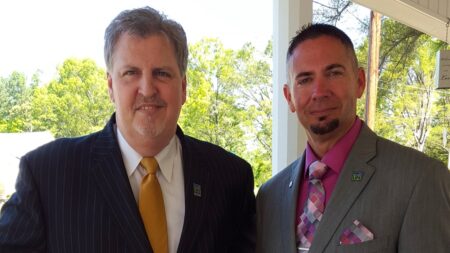



The Harley-Davidson motorcycle brand and business model have come under fire, with social media influencer Robby Starbuck suggesting that the company is facing internal challenges. This criticism stems from the words of the company’s CEO, Jochen Zeitz, who has been accused of embracing “woke” values as he leads the iconic brand. Zeitz, who hails from Germany, took on the role of CEO in May 2020. In a speech at the Zermatt Summit in Switzerland in 2020, Zeitz made a controversial reference to the company’s focus on sustainability, likening himself to the Taliban in a sustainable way.
Throughout his speech, Zeitz made multiple references to the terror group, drawing criticism from Starbuck, his social media followers, and many longtime Harley-Davidson riders. The comparison to a group responsible for heinous acts and American casualties did not sit well with those who view the brand as a symbol of American freedom and power. The Taliban’s history of violence and terrorism stands in stark contrast to the values traditionally associated with Harley-Davidson.
The backlash against Zeitz’s remarks reflects a broader concern among Harley-Davidson enthusiasts about the direction in which the brand is headed. Some, like motorcycling media mogul James “Hollywood” Macecari, have expressed disgust at the CEO’s comments and fear that the company is abandoning its core values. The association with the Taliban, a group known for its brutal actions, has fueled outrage among those who hold Harley-Davidson dear.
Zeitz’s leadership of the company has coincided with a decline in the brand’s image, according to some longtime riders. Once synonymous with American muscle and freedom, Harley-Davidson is now viewed by some as losing touch with its roots. The Sturgis Motorcycle Rally, a historic event for Harley-Davidson enthusiasts, saw a disappointing turnout for the company’s participation, indicating a shift in the brand’s appeal among riders.
Despite the criticism, Zeitz has touted his efforts to promote sustainability and redefine traditional capitalism through initiatives like the “B Team,” which he co-chairs with other global leaders. While Zeitz’s focus on sustainability may be well-intentioned, his comparison to the Taliban has raised concerns about the company’s direction and values. Longtime Harley-Davidson riders, who have a deep connection to the brand, fear that it has lost its human touch and veered off course under Zeitz’s leadership.
Starbuck, who has been vocal in his criticism of Harley-Davidson’s recent practices, sees the comparison to the Taliban as emblematic of a larger issue within the company. By likening himself to a group willing to resort to extreme measures to achieve its goals, Zeitz has drawn attention to the disconnect between the brand’s heritage and its current trajectory. The controversy surrounding Zeitz’s remarks highlights the challenges facing Harley-Davidson as it navigates a changing landscape and grapples with internal and external pressures.
In conclusion, the criticism of Harley-Davidson and its CEO reflects a broader debate about the company’s values, image, and future. As the brand grapples with internal challenges and external scrutiny, it faces a pivotal moment in its history. The fallout from Zeitz’s remarks underscores the deep concern among longtime riders and enthusiasts about the direction in which the company is heading. Whether Harley-Davidson can reconcile its past with its present and chart a path forward that resonates with its loyal fan base remains to be seen.