


In a recent development surrounding the ongoing discourse on assisted dying legislation in the United Kingdom, Health Secretary Wes Streeting has voiced serious reservations about the implications of the proposed Terminally Ill Adults (End of Life) Bill. This bill, which was unveiled on a Monday and is slated for debate at the end of November, seeks to allow individuals with terminal illnesses, expected to pass within six months, the option to legally end their lives with assistance, contingent on the assessments of two medical professionals and a High Court judge. Streeting, who has shifted his stance from a former proponent of assisted dying to an opponent, now emphasizes that prioritizing this legislation could adversely impact other critical National Health Service (NHS) provisions.
During an interview with Times Radio, Streeting articulated his concerns about the allocation of resources that such a law would necessitate. He pointed out that implementing assisted dying could detract from funds and attention that are vital for improving palliative care services, suggesting that this is where the primary focus should be. He underscored his perspective that governing is inherently about making choices and that if Parliament opts to endorse the assisted dying bill, it would inherently reallocate financial investments, which could, in turn, detract from investments in other areas of healthcare.
While he acknowledges the significance of providing individuals with agency over their end-of-life choices, Streeting warns that the priority ought to lie in enhancing existing palliative care options, which he has consistently argued is not sufficiently robust to guarantee that patients experience dignified and pain-free deaths. He adamantly stated that no healthcare professional should feel coerced into participating in assisted dying practices if they hold moral or ethical objections.
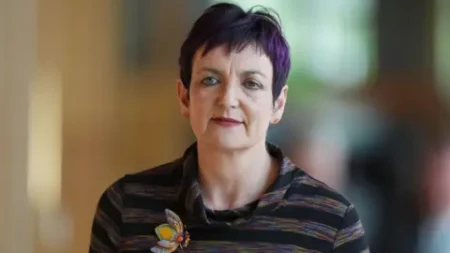
The bill has been introduced by Labour MP Kim Leadbeater, who has championed it as a thoroughly vetted legislative measure, stating that it includes multiple layers of scrutiny to protect vulnerable individuals. Specifically, she has assured that two doctors, alongside a High Court judge, would be required to validate each case, and any form of coercion would face severe legal repercussions, with sentences of up to 14 years in prison for offenders.
Critics, however, remain skeptical about these safeguards, raising alarm over potential risks of coercion and a broad slippery slope that could see assisted dying extended beyond terminally ill individuals. Leadbeater, responding to such critiques, reiterated her confidence that her legislation is among the most stringent of its kind globally, underscoring that eligibility would strictly apply to terminally ill adults not expected to live beyond six months who express a settled wish to seek assistance in ending their lives.
As Parliament prepares for a debate on this contentious topic on November 29, tensions run high within the political sphere. While the Prime Minister has historically supported assisted dying initiatives, the government has committed to maintaining a neutral stance, allowing MPs to vote according to personal beliefs rather than party affiliations. This vote marks a pivotal moment, as it will represent the first Commons discussion on assisted dying since a similar proposal was rejected back in 2015, in which Streeting cast his vote in favor during his earlier tenure as a backbench MP.
Should this bill secure approval in its initial vote, it will undergo further examination and potential amendments by both MPs and Lords, reflecting the critical and nuanced nature of the conversation surrounding end-of-life legislation in the UK.