

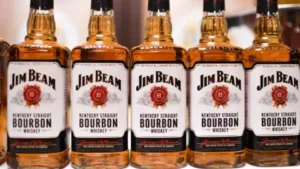


Jim Beam, a prominent bourbon whiskey producer renowned for its signature spirit, has announced a significant production halt at its primary distillery located in Kentucky. This closure will span the entire year, marking a notable change in the operations of one of the most recognizable names in the whiskey industry. The company disclosed this decision to the BBC, outlining its intention to utilize this downtime for “site enhancements” and to redevelop aspects of their crucial manufacturing infrastructure.
The distillery, which is a cornerstone of Jim Beam’s operations, will be largely inactive during this period, with the company’s leadership emphasizing an ongoing assessment of production levels. They were keen to state that they recently engaged in discussions regarding production volumes for the upcoming year of 2026. This careful planning reflects the distillation company’s commitment to adapting and meeting evolving consumer demands amidst a fluctuating market landscape.
Kentucky, famous for its bourbon production, is currently facing a wave of uncertainty, significantly influenced by trade policies instituted during Donald Trump’s presidency. These policies have created a complex environment for distillers operating within the state, including Jim Beam, which is now navigating through the impacts of retaliatory tariffs on American whiskey exports. Distillers across Kentucky have expressed concerns about these external pressures, which threaten to undermine the growth achieved over previous years.
The distillery is owned by Suntory Global Spirits, a Japanese conglomerate that has made considerable investments in the Kentucky operation, employing over 1,000 people across various facilities. Despite the primary distillation pause, Jim Beam reassured stakeholders that other operational branches within the state, including a separate distillery and bottling plants, would continue functioning normally. Moreover, the visitor center in Kentucky will remain open, providing an ongoing opportunity for fans and tourists to engage with the brand despite the production downturn.
In light of the production pause, Jim Beam has also indicated that it is assessing workforce utilization during this year-long hiatus. The company is currently in discussions with the workers’ union to ensure that employee needs are addressed during this transitional phase, showcasing a commitment to its workforce even during operational constraints.
The Kentucky Distillers’ Association (KDA) revealed that bourbon inventories across the state had reached a staggering record of over 16 million barrels, indicating a robust supply amidst shifting market demands. However, the organization has pointed out that the costs related to warehouse taxes on these barrels have become financially burdensome, with distillers facing expenses quoted at around $75 million for the year. This staggering figure highlights the significant economic pressures that the industry currently confronts, which has only intensified post-implementation of the aforementioned tariffs.
The KDA has called for a return to a system of reciprocal trade, advocating for an elimination of tariffs that have adversely affected the bourbon market. There is an imperative need for a resolution that fosters a healthier trading environment, particularly as US distillers face not only domestic challenges but also deteriorating sales in countries like Canada, where a notable boycott of US spirits has impacted import flows earlier in the year.
The Jim Beam production halt underlines broader issues within the spirits industry, particularly how global trade dynamics can shift production schedules and employment opportunities. The reactions from distillers suggest a precarious balancing act between maintaining product quality and navigating external economic pressures, ultimately driving home the point that the bourbon industry must adapt swiftly to survive today’s complex economic landscape.