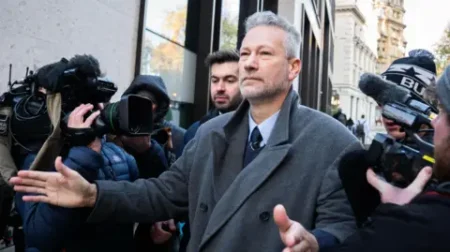




In a significant legal decision, senior judges in the United Kingdom have affirmed MI5’s alert regarding Christine Lee, who has been accused of being an alleged Chinese agent infiltrating Parliament. The Investigatory Powers Tribunal (IPT) has determined that MI5 acted lawfully when it identified Lee as a potential threat to national security. This alarm was communicated to Parliament and subsequently made public, highlighting concerns of Chinese influence within the UK’s political framework.
The IPT noted that identifying Ms. Lee was not only necessary but appropriate in a democratic society due to the potential threat she presented. The tribunal described the action taken by MI5 as a “proportionate response” to her activities, which allegedly involved establishing connections with Members of Parliament (MPs) and aspiring politicians on behalf of the Chinese Communist Party (CCP). This raises critical conversations about foreign influence in British politics and the safeguarding of national interests.
The MI5 alert, issued in January 2022, indicated that Christine Ching Kui Lee had connections with the CCP and had facilitated donations to various political figures. Reports suggest she played a role in organizing significant financial contributions to UK politicians, which can be seen as an interference in the political landscape. This ruling underscores the broader implications of potential Chinese infiltration within the UK’s political system, a topic of increasing concern among security officials and legislators alike.
Notably, this ruling followed the identification of Yang Tengbo, a businessman who reportedly gained unusual trust from a prominent figure, Prince Andrew, in a separate legal context. While both Ms. Lee and Mr. Yang have denied any wrongdoing, the discussions surrounding these cases emphasize the urgency of addressing foreign lobbying and political interference.
Christine Lee, who identifies as a solicitor, defended her actions by stating that her engagement with Parliament was intended to represent the interests of the UK Chinese community and promote diversity. However, MI5’s characterization of her activities indicates that she was involved in political interference orchestrated by the United Front Work Department (UFWD) of the CCP—a branch of the Chinese government focused on extending its influence abroad.
The allegations specify that Ms. Lee’s efforts included channeling donations to political candidates, notably involving Labour MP Barry Gardiner, who reportedly received upwards of £420,000 from her over five years. Gardiner stated that he consistently informed security services about these donations and clarified that his staff’s financial support came from legal sources. Following the MI5 alert, Gardiner terminated the employment of Lee’s son, Daniel Wilkes, although both reached an out-of-court settlement later on.
Reactions to the IPT’s ruling have highlighted the complex dynamics surrounding political donations from foreign entities. For example, Sir Ed Davey, leader of the Liberal Democrats, acknowledged receiving £5,000 from Ms. Lee when he served as energy secretary; he expressed that this was the first time he was informed about any concerns related to this financial support.
The tribunal’s judgement also dismissed claims from Lee and Wilkes regarding the violation of their rights by MI5 for publicizing her name. The judges ruled that the decision to issue the alert did not infringe upon Lee’s right to privacy, emphasizing that MI5’s obligation to safeguard parliamentary democracy justified its actions. Moreover, the IPT noted that there was no affirmative evidence to suggest that public scrutiny and media attention posed a genuine threat to Lee’s safety.
This situation illustrates the tension between national security interests and individual rights, particularly in the context of emerging global threats. MI5’s actions act as a reminder of the challenges the UK faces in maintaining its sovereignty and democratic integrity amidst the complexities of international relations and domestic politics. The ongoing discussions will likely lead to further scrutiny of foreign influence in parliamentary affairs, underscoring the need for robust countermeasures against potential political interference by state actors.