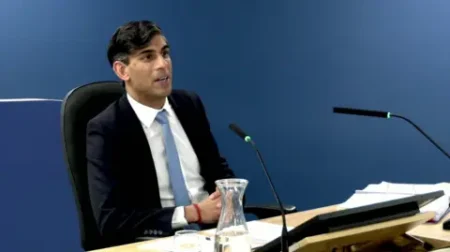



The article titled, “No nice or easy way of doing it”: Labour’s illegal immigration dilemma, discusses the complex challenge faced by the UK government regarding illegal immigration. It features commentary from a former Home Office minister who bluntly acknowledges the difficulty of formulating a satisfactory solution to this critical issue. The reality of illegal immigration in Britain is immensely multifaceted, influencing various sectors of society while also stirring much public debate.
Across the political spectrum, from the Prime Minister Rishi Sunak and his cabinet members to their Labour rivals, there is a shared consensus that illegal immigration, particularly around the smuggling of individuals into the UK, must be addressed urgently. The dangerous methods that many migrants employ, risking their lives to traverse treacherous waters, have not only raised humanitarian concerns but also complicated local communities. These communities often grapple with the repercussions of managing illegal immigrants accommodated in temporary shelters, such as hotels, while their asylum claims are processed.
However, a significant divide exists among political factions surrounding the best approach to tackle this ongoing crisis. The Labour Party, under the leadership of Sir Keir Starmer, has shifted focus from the Conservative government’s “stop the boats” strategy to its own slogan of “smash the gangs.” This portrays a departure from the Conservative plan that included controversial measures like deporting migrants to Rwanda who arrived in the UK without permission.
The Conservative Party remains resentful of Labour’s decision to abandon this policy, arguing that it might have acted as a deterrent against smugglers. Yet, there is well-founded skepticism regarding the effectiveness of the Rwanda plan—nobody can confidently assert that it would have worked.
Current efforts by the Labour government, specifically from Home Secretary Yvette Cooper, revolve around negotiating arrangements with other countries. The intent is to tackle criminal networks that prey upon vulnerable individuals desperate to come to the UK. The government refers to these strategies as “disrupting at source,” a term designating initiatives to curtail the operations of human trafficking rings and reduce the number of individuals attempting perilous sea crossings.
Noteworthy actions taken include training border forces in Iraq and introducing new legislation aimed at prosecuting people traffickers in Germany. Additionally, the government has forged agreements with countries such as Slovakia, Slovenia, and even as far as Vietnam and Chad, indicating a broad international approach to managing the problem.
Despite these offshore initiatives, the Labour government has faced mounting criticism regarding the influx of migrants crossing the English Channel. Since July 2023, there have been over 20,000 such arrivals, a notable increase from the previous year. This rise in numbers underscores the contradiction between Labour’s intentions to enforce stricter immigration controls and the reality of escalating illegal entries into the UK.
Locally, reactions to the accommodation of migrants in hotels have sparked public discontent, as many communities express distress over the implications of hosting individuals unable to contribute to the workforce. Labour MPs and even members of the Cabinet have voiced their concerns about the social cohesion issues arising from this situation.
Despite an apparent commitment to resolving these challenges, promises made during the election campaign about ceasing hotel accommodations for asylum seekers are proving difficult to keep. Cooper’s team has emphasized the increased deportations of failed asylum seekers and ongoing efforts to expedite the immigration case backlog. Nonetheless, the government is consciously avoiding setting specific targets or ambitious goals regarding immigration to prevent potential pitfalls encountered by previous administrations.
In the face of internally generated criticism, some Labour members argue for a more courageous stance that might involve establishing safe routes for vulnerable individuals, or even humanitarian visas. While Sir Keir Starmer’s leadership steers clear of advocating for broader migration opportunities, there exists a call for more substantial dialogue that acknowledges the complexity of immigration issues.
As the 2025 elections approach, the cloud of illegal immigration will undoubtedly remain significant politically. The Labour government confronts a mixed and intricate scenario, where the potential effectiveness of their current strategies remains uncertain amid growing public anxieties. All signs show an urgent need for practical, sustainable solutions that respect humanitarian values while addressing legitimate concerns surrounding immigration and social stability in the UK.