



On a vibrant Saturday in central London, several thousand pro-Palestinian supporters gathered for a demonstration in what has become a series of protests organized by the Palestine Solidarity Campaign (PSC). This rally coincided with a moment of potential diplomatic resolution as Israel and Hamas reached an agreement on a ceasefire and a hostage release deal, bringing renewed hope amidst ongoing turmoil in the region. The demonstrators aimed to vocalize their support for the Palestinian cause, urging global attention to the humanitarian crises resulting from the conflict in Gaza.
Despite the rally’s peaceful intentions, it was met with a level of controversy. The Metropolitan Police reported that there were eight arrests during the demonstration, with some individuals taken into custody on charges related to public order offenses and exhibiting support for organizations banned under UK law. The police strictly monitored the event, imposing limitations that led to the rally being confined mainly to Whitehall after initial plans for a march from Portland Place, adjacent to the British Broadcasting Corporation (BBC) headquarters, were thwarted.
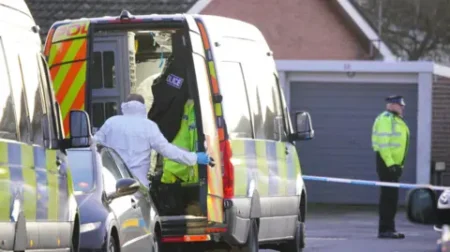
The decision to stop protesters from gathering outside Broadcasting House was attributed to its proximity to a synagogue and the fear of significant disruption during Jewish services taking place on the holy day. This measure was criticized by some, including the PSC, who deemed police conditions excessively repressive and restrictive of free expression. Following the rally, a group of protesters attempted to march to Trafalgar Square but faced resistance from police, leading to minor scuffles and cordoning off the area with police vans.
Reactions within the crowd reflected a diverse array of sentiments, with many demonstrators holding signs reading phrases such as “Gaza: Stop the massacre” and expressing dissatisfaction with the treatment of the Palestinian issue in mainstream media. The rally was not without a counter demonstration from pro-Israel supporters, indicating the deep divisions and strong feelings surrounding the ongoing conflict.
Several notable figures attended the rally, including former Labour Party leader Jeremy Corbyn and his deputy John McDonnell, who aligned themselves with the pro-Palestinian stance. Despite police intervention, which at one point escalated into arrests in Trafalgar Square, rally organizers maintained that they would continue to advocate for the rights and voices of Palestinians.
In light of the recent ceasefire and the ongoing conflict’s backdrop— where, according to Gaza’s Hamas-run health ministry, over 46,700 people, the majority of whom were civilians, have lost their lives—the PSC expressed cautious optimism regarding future ceasefire adherence while leaving open the possibility of forthcoming protests to maintain pressure on decision-makers.
The discourse surrounding the protest highlighted a broader societal divide. Organizations like Campaign Against Antisemitism criticized the PSC for what they deemed irresponsible activism that endangered Jewish communities in London, underscoring the complexities and sensitivities involved when discussing and advocating for the Palestinian cause amidst existing tensions.
Overall, the pro-Palestinian rally in London not only brought attention to the ongoing situation in Gaza but also illustrated the passionate and polarized views within the larger society regarding the Israel-Palestine conflict. As the situation develops, the organizers and participants remain vigilant, striving to secure not just a ceasefire but also the long-term rights and dignity of the Palestinian people within a complicated geopolitical landscape.