

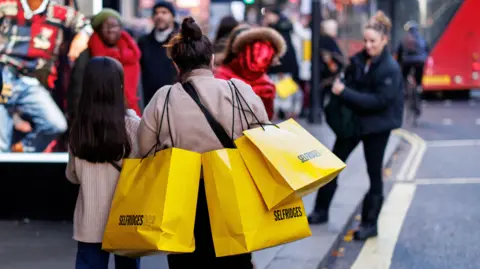
London’s West End is experiencing a notable surge in Christmas shopping that deviates substantially from national retail trends. As the festivities approach, the high street’s footfall has witnessed a remarkable increase, revealing an encouraging portrait of consumer behavior amid broader economic concerns.
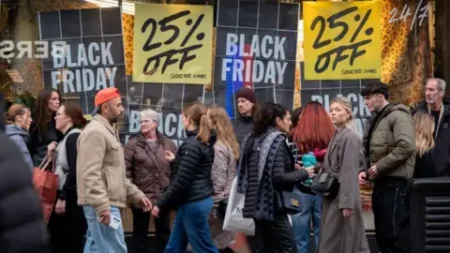
Data from the New West End Company (NWEC) indicates a robust uptick in shopper activity, particularly evident in the week preceding Black Friday—historically one of the busiest shopping periods of the year. Footfall rose by 9% compared to 2024 in this crucial week. During Black Friday week, the increase was recorded at 4.1%, followed by a steady climb of 6.2% in the subsequent week. This consistent rise in numbers represents a stark contrast to the national trend, where the Office for National Statistics reported an unexpected decline in retail sales during November.
The weekend of December 6-7 was particularly vibrant, characterized by the pedestrianization of Regent Street and live performances along Oxford Street. These events significantly contributed to the high footfall, with NWEC noting a 33.7% increase on the traffic-free day on Regent Street compared to the previous year. The subsequent day of performances yielded a 25.1% boost in pedestrian traffic on Oxford Street. Such thriving conditions undoubtedly encapsulate the “real momentum” that NWEC has emphasized, highlighting the unique allure of these iconic shopping destinations in London during this festive season.
Historically, Black Friday emerged from the United States, evolving into one of the most significant shopping days in the UK, marking the unofficial commencement of the Christmas shopping season. Despite various retail setbacks faced during the year, retailers remain optimistic about consumer engagement in the days leading up to Christmas. Rosie Hanley, brand director at John Lewis, expressed her anticipation for one of the busiest weekends, suggesting that last-minute shoppers would flock to purchase gifts and essential items for holiday guests.
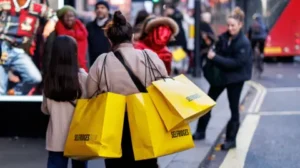
Customer sentiment further reflects this positive trend. A woman shopping on Oxford Street described a planned outing that included visits to John Lewis and Selfridges, affirming not just a dedication to the shopping experience but also a social aspect of dining and chatting. Others have completed their Christmas shopping earlier in December, demonstrating a shifting dependence on timing as different individuals find their own rhythm to prepare for the holidays.
The vibrant atmosphere in the West End is buoyed by the festive season’s spirit complemented by retail experiences that integrate on-street activities and enticing in-store promotions. As foot traffic surged over the last few weeks, it has provided a stark contrast to the broader market, which is grappling with fluctuating consumer confidence and specific economic challenges.
In summary, the current Christmas shopping climate in London’s West End presents an optimistic narrative amid a national backdrop of declining retail activity. With strategic initiatives to attract crowds and a promotional thrust that resonates with customers, the West End stands as a bastion of festive cheer, drawing shoppers to partake in the seasonal spirit of giving. Consumers’ willingness to engage with the vibrant shopping scene bodes well for London’s economy during this critical period, illuminating the city’s unique capacity to draw visitors and residents alike to its bustling retail hubs.