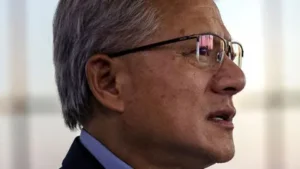



In recent developments surrounding the geopolitical landscape of the Indian Ocean, the newly elected Prime Minister of Mauritius, Navinchandra Ramgoolam, has expressed reservations regarding a controversial agreement made between his predecessor and the United Kingdom concerning the status of the Chagos Islands. The intricacies of this deal, which emerged last month, have ignited discussions about sovereignty, military strategy, and historical grievances tied to colonialism.
The core of the agreement stipulates that the UK would relinquish sovereignty over the Chagos Islands, a strategically significant archipelago. However, it comes with the contentious provision that the UK would retain control of Diego Garcia, one of the islands, under a lease arrangement that spans a minimum of 99 years. The establishment of a joint UK-US military base on this atoll raises concerns, as it symbolizes a continued military presence in the region. Ramgoolam’s administration, which took office a mere fortnight ago, is stepping cautiously into this diplomatic minefield. Although he did not detail specific reservations regarding the deal, indications from a cabinet minister suggest that the lease terms are particularly problematic.
Furthermore, the deal may face challenges from the incoming US administration led by President-elect Donald Trump. Notably, Trump’s selected secretary of state, Marco Rubio, has characterized the agreement as a potential threat to US national security interests. These emerging criticisms suggest that geopolitical tensions may influence the trajectory of negotiations moving forward.
The agreement, which took years of discussions to finalize, was hailed by former UK Prime Minister Sir Keir Starmer and former Mauritian Prime Minister Pravind Jugnauth as a “seminal moment” for UK-Mauritius relations, showcasing a commitment to resolving international disputes through diplomacy and law. However, this optimism has been met with skepticism. Kemi Badenoch, the opposition leader in the UK, has criticized the government, claiming it lacks the ability to effectively safeguard national interests during negotiations.
The opinions of various groups representing Chagossians, the inhabitants forcibly removed from the islands during British rule, add another layer of complexity. Many feel sidelined from discussions that would dramatically impact their ancestral home. Historical context is crucial here, as the relationship between Mauritius and the UK over the Chagos Islands is steeped in the legacy of colonialism. Mauritius asserts that it was coerced into ceding the islands in exchange for independence from Britain in 1968.
Prime Minister Ramgoolam, following discussions with the UK’s national security adviser, Jonathan Powell, communicated a desire to reassess the deal’s details more thoroughly with legal advisors. His request for more time to study the agreement highlights a cautious and methodical approach to a matter that has profound implications for national identity and international relations. Ramgoolam’s predecessors faced fierce backlash during the election campaign, with his coalition, Change, accusing Jugnauth’s government of “high treason” for what they termed a “sell-out” to British interests.
Newly appointed Minister of Agro-Industry and Fisheries, Arvin Boolell, has been vocal about specific concerns surrounding the lease of Diego Garcia. He argued that allowing such an extended lease essentially grants the UK control over vital maritime territory for generations. According to Boolell, tracing the implications of such a long lease underscores a fundamental shift in sovereignty dynamics, reminiscent of colonial practices where the tenant could become akin to the owner.
The situation surrounding the Chagos Islands is emblematic of broader discussions about colonial legacies, self-determination, and military strategy. As the UK finds itself at a crossroads of increasing diplomatic pressure, particularly from various United Nations entities that have sided with Mauritius in its claims, the fate of the Chagos Islands may remain a contentious issue for the foreseeable future.
Ultimately, Prime Minister Ramgoolam’s reservations signify a new chapter in Mauritius’s relationship with its former colonizers. Whether these concerns will reshape the dynamics of the agreement or lead to further entrenchment of past injustices remains to be seen.