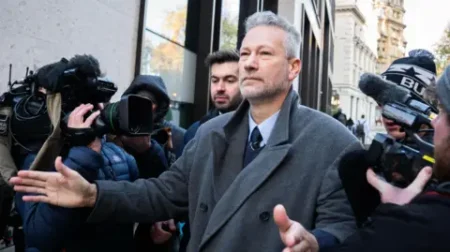




The recent headlines surrounding the British royal family have stirred considerable discussion, primarily focusing on Prince Andrew and the implications of inheritance tax adjustments. Specifically, there have been calls for Prince Andrew to withdraw from public engagements during the Christmas season. Reports indicate that Buckingham Palace insiders are urging the Duke of York to opt for a low-profile approach in light of ongoing controversies related to his associations, including his connections with an alleged Chinese spy, which have recently resurfaced in the media.
The criticism surrounding Prince Andrew has intensified, particularly as the festive season approaches. Sources from various news outlets have quoted Palace insiders expressing that it would be prudent for the duke to step back from the limelight during Christmas, suggesting he should “do the decent thing” in light of the year’s past difficulties. The Sun has elaborated on this narrative, highlighting the Royal Family’s desire for the ongoing scandal to not overshadow their holiday celebrations. This sentiment underscores the growing unease regarding the duke’s public persona and its impact on the royal image.
In a separate yet related financial context, the topic of inheritance tax (IHT) has taken center stage in the political arena. Economic analysts caution that recent changes proposed by Chancellor Kemi Badenoch could lead to far-reaching financial repercussions for the Treasury. According to reports from the Daily Telegraph, expert analyses predict that cuts to tax relief for family businesses and farms may result in reduced investments. This downturn is projected to exceed the anticipated tax receipts, potentially causing a net loss of over £1 billion for the government. The chancellor is thus facing scrutiny, with claims that the IHT revisions may inadvertently backfire, placing the government in a precarious fiscal position.
Furthermore, the potential political fallout cannot be ignored as leaders reflect on broader implications for policy and governance. Current trends indicate a growing frustration within the European Union (EU) concerning the UK’s demands without substantial concessions. The Independent has reported that leaked documents suggest the EU is prepared to negotiate more stringently in future discussions related to trade and security agreements, with particular emphasis on a new fishing accord and migration pathways for younger individuals under 30.
Other political critiques have emerged from global perspectives, particularly regarding leadership in the context of the ongoing war in Ukraine. Former Ukrainian foreign minister Dmytro Kuleba has expressed discontent with Sir Keir Starmer’s stance, alleging a lack of proactive leadership and merely echoing American sentiments on the issue.
In domestic policies, a notable survey conducted for the Financial Times indicates potential changes within the US economic landscape under the incoming administration of Donald Trump. Economists predict that Trump’s anticipated trade policies could lead to heightened inflation, influencing the Federal Reserve’s approach toward interest rates moving forward.
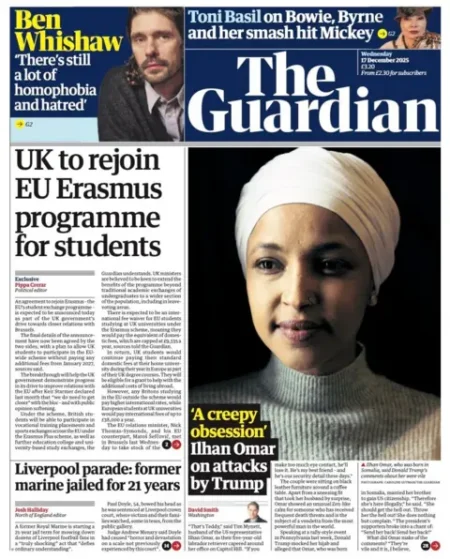
Overall, the media landscape is buzzing with reports from leading outlets such as The Guardian, The Times, the Daily Express, and others, covering a plethora of issues—from the implications of royal decisions during the Christmas season to significant tax reforms and their economic impacts. The narratives are interwoven, crafting a complex picture of current affairs that is not only reflective of royal dynamics but also indicative of broader political and economic challenges facing the UK. As the festive season approaches, the intersection of personal, political, and financial matters remains a significant topic of conversation among the public and policymakers alike.