

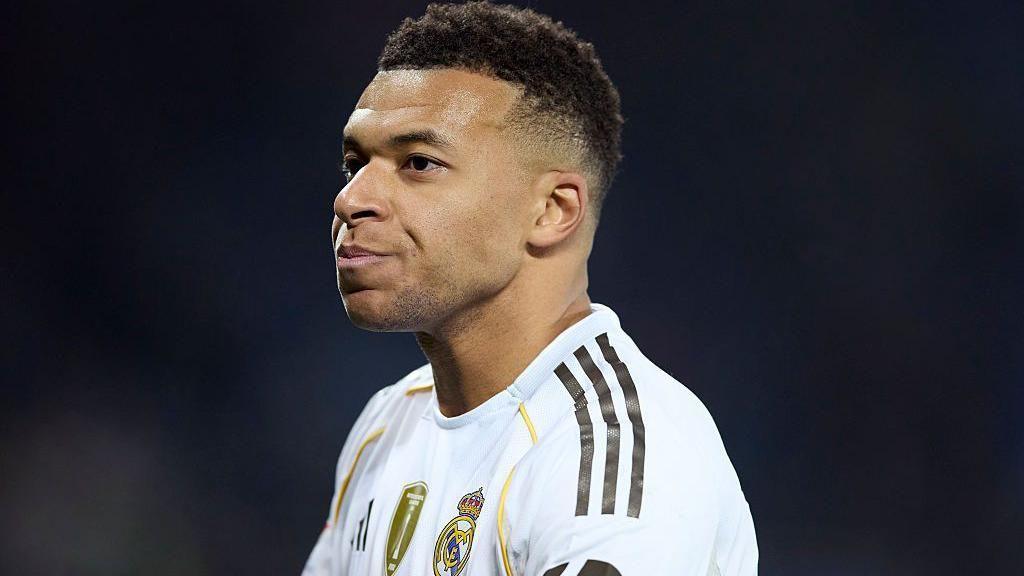
Paris Saint-Germain (PSG) has been ordered by a French court to pay former striker Kylian Mbappe €60 million (£52.5 million) due to unpaid salary and bonuses. This ruling follows a long-standing legal dispute that began after Mbappe left the club, adding drama to an already contentious relationship. The hearing at the Paris labour court took place in November, where Mbappe sought a far larger sum of €263 million (£231.5 million) from PSG, alleging that he had suffered significant ill-treatment during his time with the club.
Mbappe’s legal battle with his former employer has its roots in a complex series of contractual disagreements between both parties. Initially, the club counter-sued Mbappe, claiming damages of €240 million (£211 million), asserting that the forward had acted disloyally. This protracted legal conflict ultimately forced the court to intervene, culminating in the ruling that requires PSG to compensate Mbappe primarily for three months of unpaid salary and promised bonuses.
In the court’s judgement, it was revealed that PSG failed to pay Mbappe for the months of April through June in 2024, as well as not fulfilling obligations related to his ethics and signing bonuses. Although the final amount awarded to Mbappe was significantly less than his initial claim, reports suggest that a large portion of the payment will come in the form of bonuses rather than base salary. This decision marked a notable defeat for PSG, given the financial stakes involved and the image of integrity that the club has long espoused.
Following the ruling, Mbappe’s lawyer, Frederique Cassereau, expressed satisfaction with the outcome, emphasizing that the ruling demonstrated the necessity for the honor of contractual commitments in professional sports. Cassereau indicated that the judgement reinforces the overarching principle that labour laws are applicable to everyone, including star football players like Mbappe. The legal team highlighted that during his seven-year tenure at PSG, the player adhered to his contractual and sporting commitments without fail, right up until his departure from the club.
Meanwhile, PSG’s management acknowledged the ruling but kept open the possibility of an appeal. The club asserted that they have always conducted their dealings in good faith and integrity and signaled a commitment to focusing on the future rather than dwelling on past disputes. They also reiterated their aim to foster a spirit of unity and collective success.
The ongoing fallout from Mbappe’s refusal to extend his contract and his eventual decision not to move to Saudi Arabia’s Al-Hilal in 2023 intensified tensions. This friction was exacerbated by PSG’s exclusion of him from pre-season tours and initial matches of the campaign. Despite eventual reinstatement, the relationship between the player and club had significantly soured, with each party accusing the other of disloyalty.
Mbappe emerged at PSG as a celebrated player, making his debut with the team in 2017 after a loan from AS Monaco. Over his seven-season spell, he won a staggering 15 trophies and became the all-time leading goal-scorer for the club, netting an impressive 256 goals in 308 appearances, including a remarkable 44 goals in his final season. His legacy at the club now hangs in the balance as both sides navigate the implications of the recent court decision.
In a broader sense, the ruling illuminates the complexities involved in modern football contracts and the necessity for clubs to fulfill their financial obligations to players. The case serves not only as a significant reminder to PSG but also to other football organizations regarding the critical importance of honoring contracts and maintaining open communications with their athletes. As the sport continues to evolve, the repercussions of this judgement may echo throughout the football community, setting precedents that impact future dealings in player-contract negotiations.