


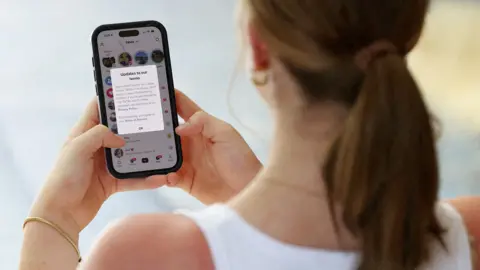
In a significant legal move, Reddit has initiated a challenge in Australia’s highest court regarding the nation’s pioneering social media ban aimed at children. This lawsuit aims to contest a new policy mandating that all social media platforms, including Reddit, prevent Australians under 16 from accessing their services, a law that commenced recently. The introduction of this landmark legislation has drawn global attention, reflecting a growing trend of concern surrounding the mental health and safety of younger internet users.
The legislation, which was justified by both advocates and the government, purports to shield children from exposure to harmful content and the pitfalls associated with algorithmic recommendations that can negatively influence youth. While Reddit is adhering to this ban, the platform argues that the implications of such a policy pose serious threats to the privacy and political rights of users. This legal challenge marks the second in a row pertaining to the same issue, as two teenagers from Australia are simultaneously awaiting a hearing in the High Court on similar grounds.
In its updates, Reddit expressed its concerns over the effectiveness of the law, stating, “Despite the best intentions, this law is missing the mark.” The platform has further emphasized that more efficient methods could achieve the shared objective of protecting youth without imposing such severe restrictions. Australia’s Communications Minister, Anika Wells, has publicly declared that the government will remain steadfast against potential legal intimidation from major tech companies. After the news broke regarding the initial legal challenge, she affirmed in Parliament, “We will not be intimidated by big tech. On behalf of Australian parents, we will stand firm.”
The legal challenge from the teenagers in New South Wales claims that the social media ban is unconstitutional, arguing that it conflicts with the implied freedom of communication regarding governmental and political matters. One of the teens, Macey Newland, conveyed her frustration to the BBC, declaring, “Democracy doesn’t start at 16 as this law says it will.” The ban, while lauded by certain demographics for its forward-thinking approach, has received substantial criticism from others who argue that an outright prohibition is neither practical nor conducive to the well-being of children.
Moreover, experts have raised concerns that children may find ways to circumvent the ban, either through deceptive age verification techniques or seeking alternative platforms that might not be as secure. Furthermore, advocates for mental health assert that the ban may hinder connections among young people, particularly for those from marginalized communities, such as LGBTQ+ individuals, or those living in rural areas. Additionally, this approach could leave youth less prepared to navigate the complexities of digital interactions.
Interestingly, the policy has garnered widespread support among parents and garnered endorsements from high-profile figures, including Oprah Winfrey and Prince Harry, who view Australia’s legislative approach as a necessary response to growing concerns about the impacts of social media. In a joint statement, the royal couple lauded the government’s “bold” action, though they lamented that such drastic measures should not have been necessary.
Australia’s law stands as the most stringent in the world, particularly as it does not offer any exemption for parental approval, making it distinct from other regulations being tested globally. Various entities including states in the U.S., like Florida, and the European Union are also exploring ways to limit children’s access to social media, yet none have imposed such strict barriers. Reddit’s stance against this legislation underscores its concern regarding “intrusive and potentially insecure verification processes” that the law necessitates and argues that it inadvertently alienates teens who seek “age-appropriate community experiences.”
In its defense, Reddit has stressed that its user base primarily consists of adults and that the platform does not target advertising towards children under the age of 18. Other major platforms affected by the Australian ban include notable social media giants such as Facebook, Instagram, Snapchat, and TikTok.
As the legal proceedings unfold, the outcomes of these challenges may have far-reaching consequences not only for social media practices in Australia but also for global discourses on age restrictions and youth online safety. The developments reflect a crucial intersection of technology, law, and the rights of children in an increasingly digital world.