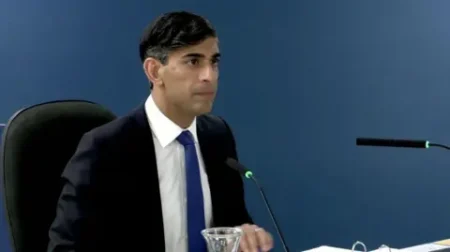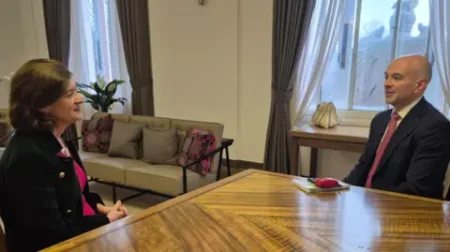



The Scottish Budget proposal, set to be introduced by Finance Secretary Shona Robison, is accompanied by immense challenges for the ruling Scottish National Party (SNP). With increasing scrutiny from various sectors such as health, education, and local government, Robison finds herself in a position where she must tackle numerous pressing issues while also making strides toward the government’s long-term objectives, which include poverty eradication and addressing the climate crisis.
The Scottish public spending watchdog, Audit Scotland, recently highlighted that the National Health Service (NHS) is unsustainable in its current form. This raises alarms for Robison, as health expenditures account for about 40% of the total budget. Local councils are clamoring for increased funding and autonomy, while educators express concerns about critical teacher shortages, putting further pressure on the budget discussions.
Robison’s focus will be to ensure support for public services while attempting to foster economic growth. Among the significant proposals anticipated in the upcoming budget is an examination of the council tax system. Calls have mounted for the SNP to overhaul this system and consider eliminating “freebies,” such as state-funded tuition for university students. The finance secretary has indicated that the budget will specifically target child poverty and the climate crisis, making these initiatives a priority in her fiscal strategy.
In the Scottish Parliament, Robison’s tax-and-spending proposals will undergo scrutiny throughout the winter months, followed by a critical vote in February, during which she will likely need bipartisan support to enact the proposed budget policies. This need for cooperation comes as the UK government has announced that Robison will have access to an additional £3.4 billion in funding for the upcoming budget period, thanks to decisions made by Chancellor Rachel Reeves in October. Despite this, the reality is that much of this newfound resource allocation has already been earmarked for public sector pay, leaving Robison with limited flexibility in her budgeting approach.
About £220 million has been cited as a necessary expenditure to replicate the business rates relief initiated in England for retail and hospitality sectors, showcasing the visible discrepancies and challenges faced in allocating comparable funds within Scotland. The Federation of Small Businesses in Scotland has stressed the urgency of implementing this relief to support the struggling businesses on their side of the border.
The total Scottish budget was approximately £60 billion last year, with the current block grant projected at £47.7 billion for 2025/26. The finance secretary faces the daunting task of balancing this budget without extensive borrowing capabilities, as the devolved government has limited financial maneuverability. The Scottish government is responsible for a broad range of public services, including healthcare, policing, and education, a responsibility that weighs heavily on the administration.
Despite the extensive autonomy afforded to the Scottish Parliament since the devolution movement in 1999, the central government retains authority over critical functions like defense and immigration. Therefore, the dynamics of funding can be tenuous, particularly as social security funding has soared, indicating a trend towards increased reliance on local authority support and welfare programs.
One innovative approach that has emerged is the introduction of the Scottish Child Payment, aimed at families in need with an ongoing weekly benefit. This initiative showcases a divergence in welfare policy from Westminster, aimed at improving the lives of the most vulnerable citizens. Nevertheless, as Chris Birt from the Joseph Rowntree Foundation notes, the budget needs to be transformative in areas such as social housing, child care, and funding for social services to effectuate real change.
Robison is under immense scrutiny from all political quarters as well, with critiques emerging emphasizing the SNP’s management of public services and expenditures, suggesting a need for targeted support that reaches those in genuine need and perhaps reshaping how public funds are allocated.
In summary, as she prepares her draft budget, Robison must juggle competing demands from public sector workers, local councils, and advocacy groups while addressing fundamental challenges that might define the SNP’s approach to governance in the coming years. With various parties expressing their stances, it is evident that the upcoming budget could prove pivotal for both the administration and the citizens of Scotland.