

In a significant political upheaval within South Korea, the nation’s police conducted a raid on the presidential office in Seoul. This unprecedented move came in response to President Yoon Suk Yeol’s recent attempt to declare martial law, an action that was ultimately thwarted. The raid marks a new chapter in a tumultuous period for the South Korean government, highlighting the deepening crisis faced by President Yoon and his administration.
The backdrop to these raids is a highly charged political atmosphere, marked by instability and unrest. President Yoon, who has previously faced multiple challenges to his presidency—including an impeachment vote and widespread calls for resignation—now finds himself under multiple investigations. These inquiries stem from serious allegations including insurrection and treason, further complicating his already precarious political standing.
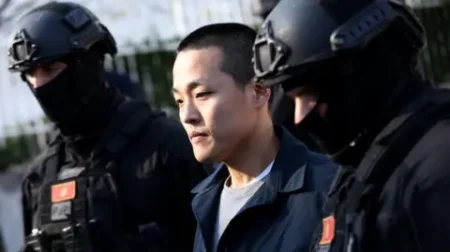
Adding to the gravity of the situation is the incident involving Kim Yong-hyun, the former defense minister who has been linked to the martial law declaration. Reports indicate that Kim attempted suicide while in detention; however, officials promptly stated that he was being monitored and had no immediate health concerns. His arrest occurred just days before the presidential office raid, which underscores the rapid developments within the administration.
In the wake of Yoon’s controversial martial law attempt, several high-ranking officials close to the president have resigned. This wave of resignations indicates a significant shift within the political infrastructure of South Korea, as many scramble to distance themselves from the administration’s faltering leadership. The country now finds itself in a state of uncertainty, with the public increasingly vocal in their protests against President Yoon’s tenure.
Legislative dynamics have also shifted dramatically during this crisis. Lawmakers from Yoon’s ruling party have joined forces to block votes aimed at impeaching him—albeit contingent on his agreement to shorten his term and abstain from involvement in both foreign and domestic matters. However, the opposition Democratic Party, which currently holds the majority in parliament, has slammed this arrangement as an “illegal and unconstitutional” maneuver, suggesting it could be seen as a second attempt at insurrection within the government.
The current political landscape in South Korea is further complicated by ongoing protests that call for Yoon’s resignation. With the public’s discontent growing, there are increasing questions about Yoon’s legitimacy and authority to govern. Amidst this chaos, the recent police raid serves as a critical moment of reckoning, with eighteen investigators deployed to the presidential office to secure records from a cabinet meeting that occurred coinciding with the martial law declaration.
Mason Richey, an associate professor at Hankuk University of Foreign Studies in Seoul, voiced that the police raids signal a growing intensification of investigations directed not only at those involved in the decision to declare martial law but also at President Yoon himself. While Yoon was not present during the execution of the raids, experts believe it demonstrates an escalation in the scrutiny surrounding his administration and its actions.
Given the developments, there is speculation that Yoon may face impeachment proceedings and potential arrest in the near future. This anticipated outcome could unfold either before or after formal charges related to insurrection are brought against him. However, as Richey notes, the political situation remains fluid, which means outcomes remain unpredictable.
Historically, the last instance of the presidential office being searched took place in December 2019, in conjunction with a corruption scandal involving the former mayor of Busan. At that time, the investigative body did not physically enter the office grounds but received necessary documentation from the administration. In contrast, the current investigation directly implicates the sitting president and his immediate circle—an unusual and troubling scenario for South Korean politics, which has seen Yoon only in office since 2022.
Overall, the unfolding events highlight a precarious moment in South Korea’s political evolution, characterized by protests, resignations, and the specter of legal repercussions looming over the highest echelons of power.